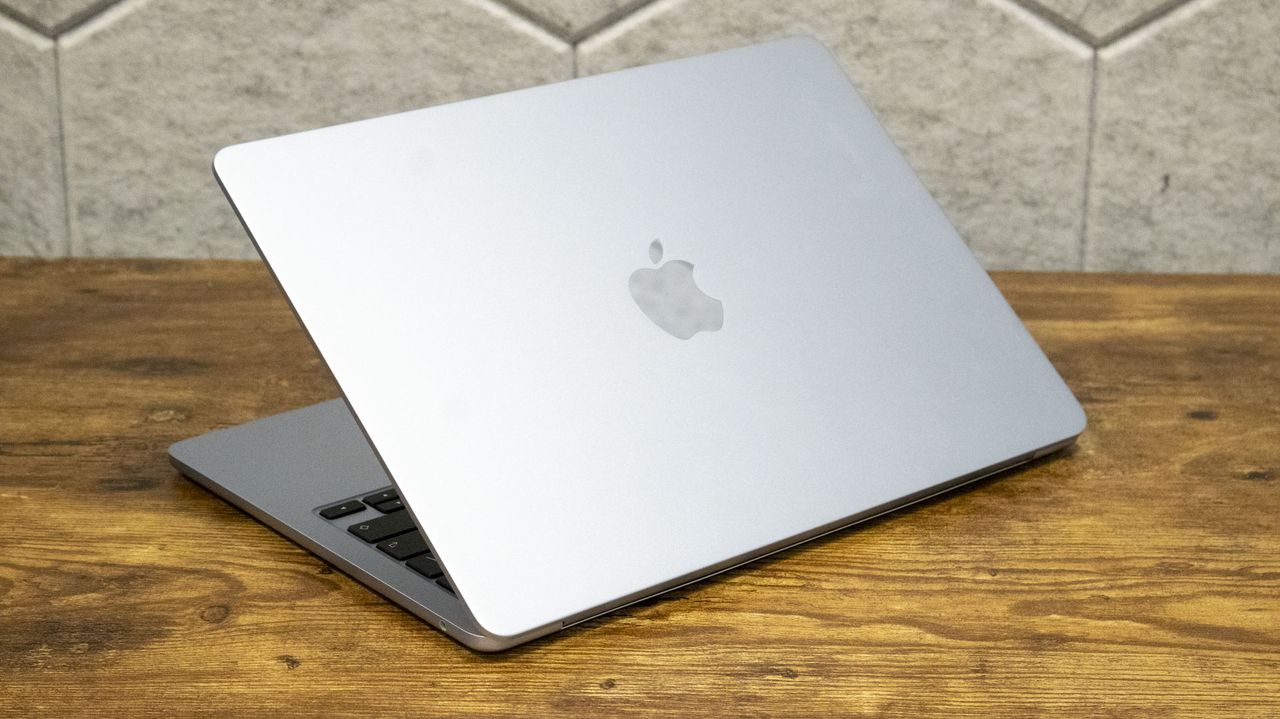
Apple’s decision to raise prices across its Mac and iPad lineup marks a historic shift for the company, as soaring memory and storage costs force it to pass on expenses to consumers. The adjustments arrive at a time when component shortages have rippled through the tech industry, with Apple’s once-unmatched buying power no longer sufficient to fully absorb the increases. The most jarring change affects the entry-level MacBook Pro, which jumps from $1,699 to $1,999—a $400 hike that underscores the severity of the situation.
The full scope of Apple’s price adjustments
The price increases touch nearly every major product in Apple’s Mac and iPad catalog, reflecting the widespread impact of component cost surges. The recently introduced MacBook Neo, initially positioned as a budget-friendly option at $599, now starts at $699. Meanwhile, the MacBook Air escalates from $1,099 to $1,299, and the iPad Air rises from $599 to $749. Even the iPad Pro sees a $200 increase, pushing its starting price to $1,199. Apple’s desktop lineup isn’t spared either, with the Mac Studio M4 Max climbing from $1,999 to $2,499—a move that signals the company is running out of options to cushion customers from rising costs.
Why Apple had to act now
Apple’s price adjustments follow months of warnings about component shortages, with industry observers dubbing the situation the “RAMpocalypse.” In April, Apple CEO Tim Cook acknowledged that supply chain pressures showed no signs of easing, a sentiment echoed by the company’s spokesperson in an interview with Bloomberg. “We know this is not welcome news, and we are working tirelessly to find solutions,” the spokesperson stated, adding that Apple had exhausted its ability to shield customers from further increases. The company’s vertical integration and bulk purchasing power had previously buffered it from similar shocks, but the current market dynamics have overwhelmed those advantages.
What this means for consumers and the tech market
For buyers planning to purchase a new Mac or iPad, the price hikes arrive at an inopportune time, compounding challenges like inflation and economic uncertainty. The adjustments also highlight the fragility of global supply chains, where even industry giants like Apple are not immune to abrupt cost spikes. While the company insists it is exploring solutions, the immediate reality is one of higher entry points for its most popular devices. Whether this move will curb demand or accelerate alternative solutions—such as refurbished markets or third-party accessories—remains to be seen.
Looking ahead: Can Apple recover its pricing balance?
Apple’s decision to raise prices may be a necessary evil in the short term, but it risks alienating cost-conscious consumers who have long viewed the brand as a premium but accessible option. The company’s ability to stabilize component costs will determine whether future price adjustments can be avoided. Until then, buyers may need to weigh the urgency of their purchases against the possibility of even steeper increases down the line.
AI summary
Apple, RAM ve depolama maliyetlerindeki artış nedeniyle Mac, iPad ve Mac Studio fiyatlarını yükseltti. Tüm fiyat artışları ve nedenleri hakkında detaylı bilgi.