Apple is making an unprecedented request to the U.S. government: permission to purchase memory chips from China’s CXMT, a move that could ease soaring costs but ignite fresh geopolitical debates. The Cupertino giant has historically avoided Chinese suppliers due to export controls and national security risks, but today’s component shortages have forced even Apple to reconsider its strategy.
The memory market is experiencing its most severe disruption in decades. AI-driven demand for high-performance DRAM has outstripped supply, driving prices to historic highs and forcing major tech companies to rethink sourcing. Apple’s recent price hikes on MacBooks and iPads—its first in years—highlighted the strain, with the company admitting it could no longer absorb rising memory and storage costs. Traditional suppliers like Micron, Samsung, and SK Hynix dominate the market but are struggling to meet surging demand, leaving room for alternative players like CXMT to gain ground.
Why CXMT is emerging as a potential solution
China’s CXMT has quietly built capabilities that rival established DRAM manufacturers, despite U.S. restrictions. Recent benchmarks show the company producing modern DDR5 and LPDDR5X modules at competitive speeds—DDR5-8000 and LPDDR5X-10667—demonstrating its ability to deliver high-performance silicon. While volume remains a question, CXMT’s pricing could undercut competitors by as much as 30%, making it an attractive option for cost-sensitive buyers.
The company’s entry into mainstream consumer markets further validates its progress. Corsair recently shipped a DDR5-6000 CL30 kit using CXMT modules, signaling the first major OEM adoption of Chinese-made DRAM. Dell and HP have also begun sourcing Chinese memory for regional systems, suggesting a gradual shift in supply chain dynamics. For Apple, which operates extensive manufacturing in China, sourcing locally could streamline logistics and reduce costs—though it risks political backlash.
Regulatory hurdles and security concerns
CXMT is not officially banned by the U.S. government, but it remains on the 1260H list as a Chinese military-affiliated entity. Doing business with the company would expose Apple to significant reputational risks and potential legal challenges. Lawmakers, including John Moolenaar, chairman of the House China committee, have already voiced opposition, calling any partnership with CXMT "a grave mistake."
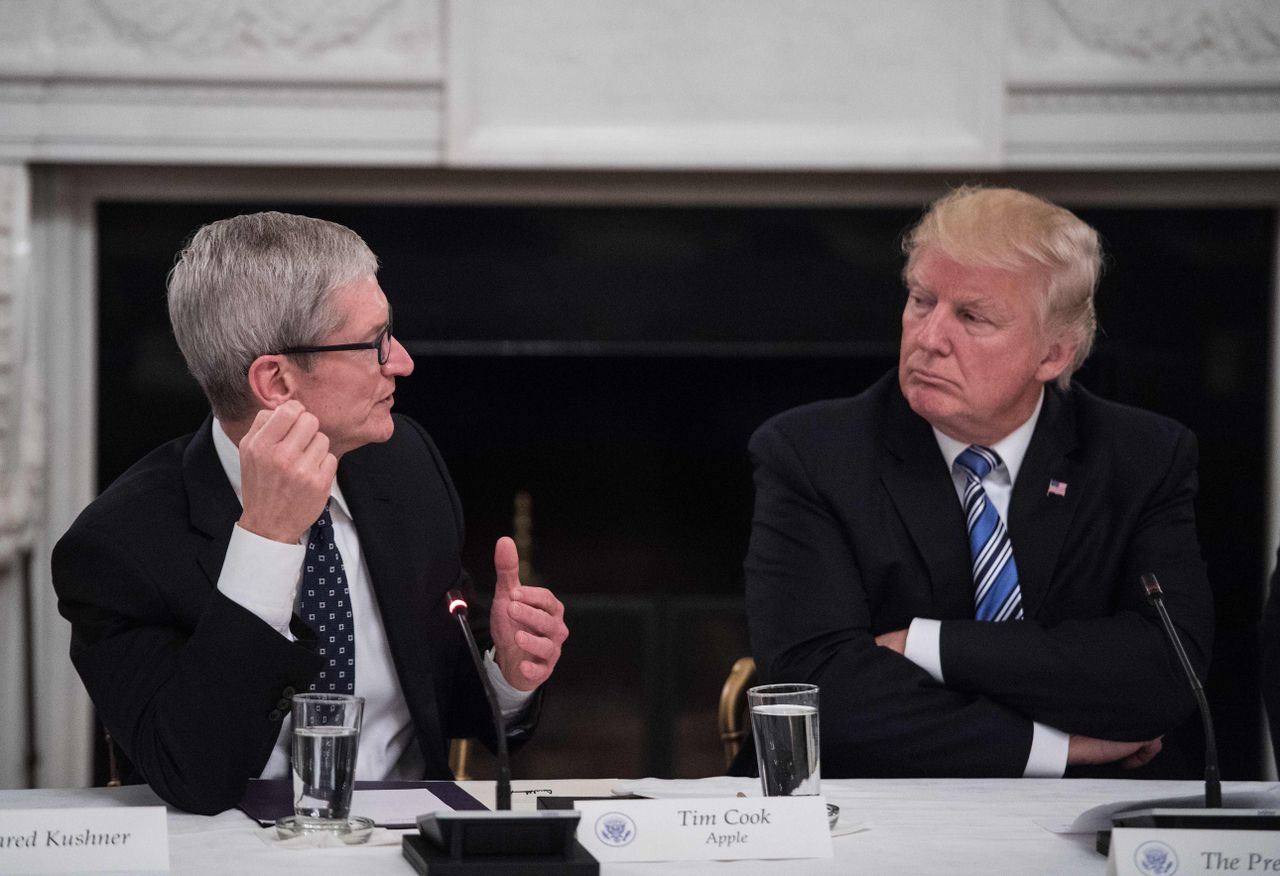
The debate extends beyond Apple’s immediate needs. U.S. officials argue that relying on Chinese suppliers for critical components like DRAM could undermine national security, particularly as AI adoption accelerates. The administration faces a paradox: protecting mineral supply chains while conceding ground in the AI race, where memory shortages have become a bottleneck. As one ex-official put it, "Trump can show the courage to keep American memory alive for our security and our competitiveness or pour it down the drain so Tim Cook can squeeze out a few more points of margin."
What’s next for Apple and the memory market
Apple’s request comes at a pivotal moment. The company is set to transition leadership from Tim Cook to John Ternus in September, leaving the decision in the hands of a new executive team. Meanwhile, the AI boom shows no signs of slowing, and memory prices remain volatile. If Apple secures approval, it could set a precedent for other tech giants to diversify suppliers—though the political and security implications will linger.
For now, the tech giant must navigate a delicate balance between cost pressures and geopolitical realities. The outcome of its lobbying efforts will not only impact Apple’s margins but also shape the future of the global DRAM market.
AI summary
Apple, artan bellek maliyetlerine çözüm bulmak için ABD hükümetinden Çinli CXMT’den RAM satın alma izni talep ediyor. Ulusal güvenlik ve ticari çıkarlar arasındaki gerilim artıyor.