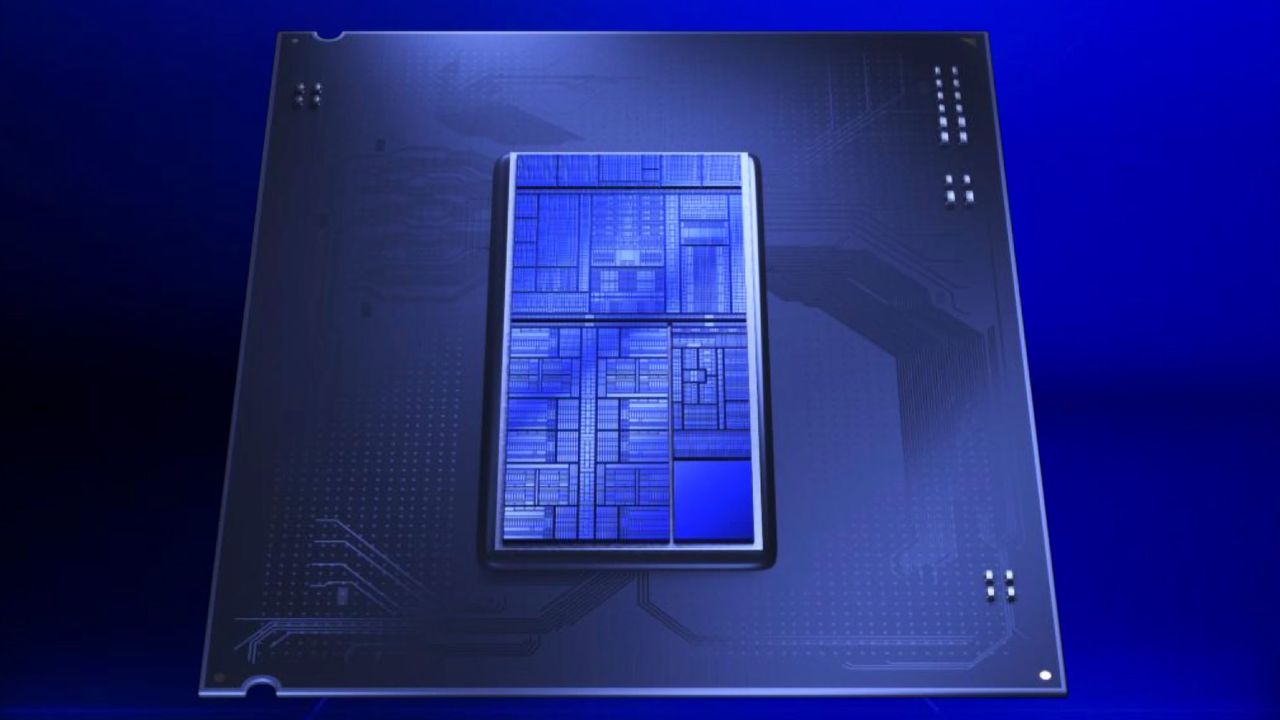
Intel’s next-generation Nova Lake desktop CPUs are poised to set new standards—not just in performance, but in power consumption. Leaked specifications suggest the flagship 52-core model may operate at a staggering 474W under brief boost conditions, a figure that underscores the chipmaker’s aggressive push into high-performance computing. This revelation, first shared by LC Tech Leaks and corroborated by hardware analyst Jaykihn, aligns with Intel’s strategy to challenge AMD’s 3D V-Cache gaming dominance while delivering unprecedented multi-threaded throughput.
Breaking the 400W barrier: What the 474W PL2 means for users
Power Limit 2 (PL2) represents the maximum power a CPU can draw during short bursts to maximize performance. For the Nova Lake 52-core variant, this limit could reach 474W, a figure that dwarfs even the most power-hungry current-gen chips. While Intel has not confirmed these figures officially, previous leaks hinted at even more extreme scenarios, with some reports suggesting a potential 700W emergency power limit (PL4) for top-tier models. Such thresholds would primarily apply to dual-tile architectures, indicating Intel’s focus on extreme performance segments.
LGA1954 motherboards to adopt robust power delivery systems
The shift to Nova Lake isn’t just about the CPU—it demands a platform-wide overhaul. The new LGA1954 socket, slated for a late 2026 launch, will require motherboards with significantly improved power delivery. Enthusiast-grade boards, likely designated as Z990 series, are expected to feature three 8-pin EPS connectors for the CPU power supply, up from the traditional two. While the third connector is optional and primarily aimed at extreme overclocking scenarios, it signals a new era of power requirements for desktop platforms.
Motherboard vendors are also preparing to classify their offerings based on sustained PL1 power levels, with options spanning 35W, 65W, 125W, and 175W configurations. This tiered approach ensures compatibility across a broader range of Nova Lake SKUs, from efficiency-focused models to high-end performance variants.
Nova Lake’s architectural innovations: Cores, cache, and connectivity
Beyond raw power numbers, Intel’s Nova Lake-S lineup—expected to carry the "Core Ultra 400S" branding—promises sweeping architectural changes. The flagship 52-core model is rumored to combine 16 performance cores with 32 efficiency cores, leveraging a new Big Last Level Cache (bLLC) design to rival AMD’s 3D V-Cache gaming performance. Additionally, the platform is expected to support DDR5-8000 memory, a significant leap from current standards.
Connectivity and AI capabilities are also receiving upgrades. Integrated Xe3 graphics architecture is anticipated to deliver up to 50% better performance than Lunar Lake’s iGPU, while Thunderbolt 5 promises 120 Gbps transfer speeds—three times faster than its predecessor. PCIe 5.0 support ensures future-proofing for high-speed peripherals, and an upgraded Neural Processing Unit (NPU) aims to accelerate AI workloads, positioning Nova Lake as a versatile platform for both gaming and content creation.
The road ahead: Balancing power, performance, and practicality
While these specifications remain unconfirmed, their implications are clear: Intel is betting big on Nova Lake to reclaim performance leadership. The shift toward higher power thresholds and advanced architectures reflects a broader industry trend, where raw compute power often comes at the cost of energy efficiency. For enthusiasts and professionals alike, the upcoming platform will demand careful consideration of power supply units, cooling solutions, and motherboard compatibility.
As Intel prepares for a late-2026 launch, the tech community will closely watch how these designs translate into real-world performance. Whether Nova Lake can deliver on its promises—or whether power constraints will limit its adoption—remains an open question. One thing is certain: the next era of desktop computing is shaping up to be anything but ordinary.
AI summary
Intel’in Nova Lake CPU’ları 474W’a kadar güç çekebilirken, yeni LGA1954 anakartlarda üç 8-pin güç bağlantısı gerekebilir. Tüm detaylar ve platformun sunduğu yenilikler burada.