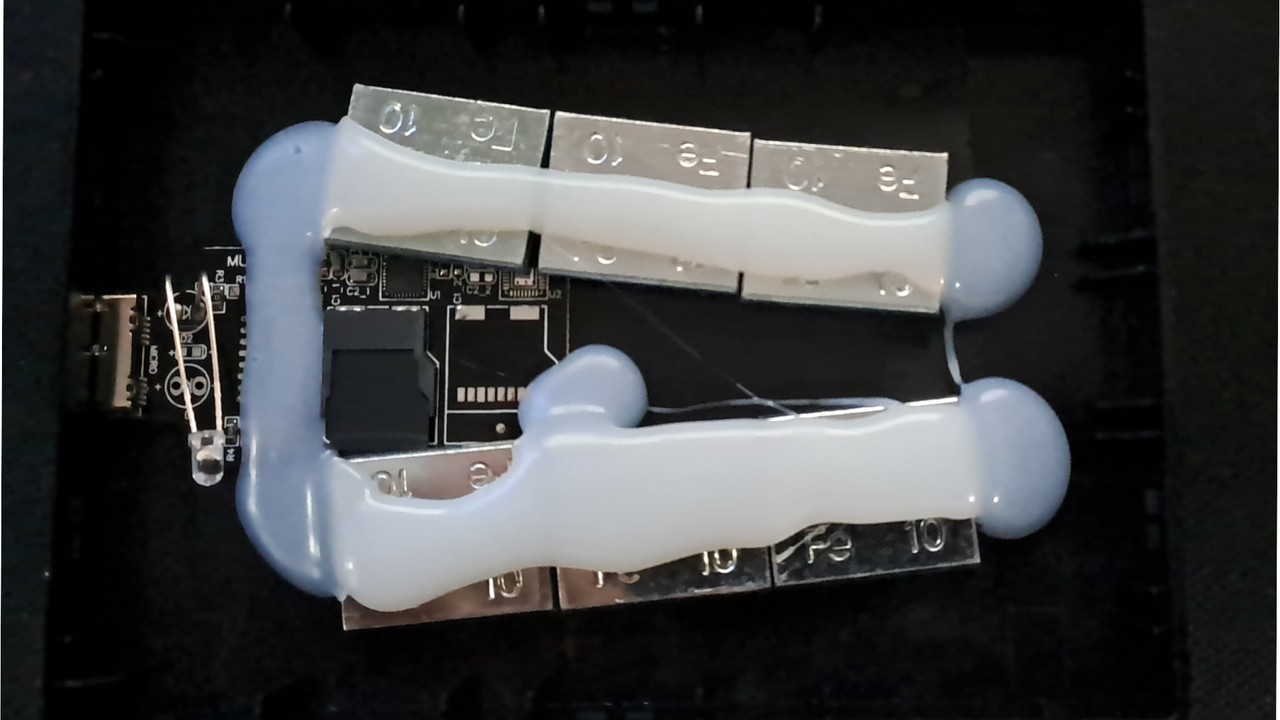
A Reddit user recently uncovered a brazen storage scam after purchasing what appeared to be a dirt-cheap 16TB SSD on eBay. Instead of genuine NAND chips, the enclosure contained only a circuit board, a microSD card, and strategically placed weights—all hot-glued together to mimic the heft and feel of a real drive. The buyer, who goes by u/Hartkralle on Reddit, has made a habit of purchasing suspicious listings to expose fraudulent sellers.
If the drive turns out to be fake, they report the seller to eBay and receive a full refund, while the scammer loses their account. “I buy one, check if it’s legit or not, and if not, I report the seller to eBay,” u/Hartkralle explained in a comment. “I get my money back, and they lose their account.”
How these fake storage scams operate
Scammers rely on a simple but effective trick: they sell drives with falsified storage capacities by repurposing smaller storage media inside a larger, more expensive-looking enclosure. In this case, the enclosure was designed to resemble a high-capacity SSD, but the internal microSD card only provided 60GB of actual storage.
This approach isn’t new. Similar scams have plagued online marketplaces for decades. One Reddit commenter recalled receiving cheap VHS tapes in the 1990s that could only hold five minutes of footage instead of the promised 60 minutes. Today, the rise of AI-assisted counterfeit manufacturing has made these scams even harder to detect, with some fake SSDs replicating the performance of premium models like the Samsung 990 Pro.
Why fake drives are more than just a bad deal
While the immediate loss is financial, the real danger lies in data corruption and loss. A drive that claims to offer 16TB of storage but only contains 60GB will fail catastrophically when users attempt to write more data than the card can handle. Files become corrupted, backups are lost, and critical data may become permanently inaccessible.
Compounding the problem is the sheer cost of legitimate high-capacity SSDs. A 2TB Amazon Basics Portable SSD retails for nearly $360, while reputable 8TB models from brands like SanDisk, Crucial, or Lexar exceed $850. The price gap makes ultra-cheap listings irresistibly tempting to unsuspecting buyers.
How to spot a fake drive before you buy
The most reliable way to verify a drive’s authenticity is to use diagnostic software like CrystalDiskInfo. This free tool can detect inconsistencies in firmware, PCI vendor IDs, and other technical markers that differentiate genuine drives from sophisticated counterfeits.
Before purchasing any storage device, buyers should:
- Compare the listed price to known market rates for similar products.
- Research the seller’s reputation and return policies.
- Inspect product photos for mismatched components or unusual build quality.
- Avoid listings that promise unusually high capacities at suspiciously low prices.
What happens when you encounter a scam on eBay
eBay’s consumer protection policies enable buyers to report fraudulent listings and receive full refunds if they fall victim to a scam. While some sellers may quickly reappear under new accounts, each report contributes to a broader effort to curb fraudulent activity on the platform.
For buyers, the lesson is clear: if a deal seems too good to be true, it almost certainly is. Taking a few extra minutes to verify a product’s legitimacy can save hundreds—or even prevent irreversible data loss.
AI summary
eBay’den sadece 30 TL’ye satılan iddia edilen 16 TB SSD aslında bir dolandırıcılık örneği. Sahte depolama cihazlarının nasıl tespit edileceğini ve korunma yollarını öğrenin.