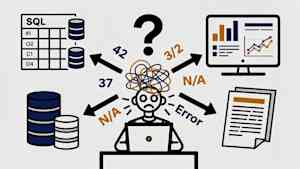
OpenAI has expanded its enterprise offerings by rolling out new capabilities for Codex, its AI tool designed to streamline workplace operations. The update, announced on Tuesday, introduces features that enhance the agent’s ability to handle knowledge-based tasks, positioning it as a potential back-office assistant. Alongside these tools, OpenAI published an internal study revealing how Codex is currently being used to assist with professional workflows.
From code to corporate: Codex extends beyond developers
Codex was originally built to translate natural language into functional code, revolutionizing developer productivity. Now, OpenAI is positioning the AI system as a versatile assistant capable of automating repetitive tasks that consume white-collar hours. The new tools include features for document processing, data extraction, and workflow orchestration—tasks that traditionally require manual intervention.
Industry analysts suggest this pivot reflects a broader shift toward AI agents that can operate beyond technical domains. "The expansion of Codex into enterprise workflows marks a significant step in making AI more accessible to non-technical teams," said one analyst familiar with the development. The internal report cited examples where Codex assists legal teams in drafting contracts and finance departments in summarizing reports.
How the new tools empower teams
The updated Codex toolkit introduces three core enhancements:
- Document automation: The AI can now parse and summarize lengthy documents, such as contracts or financial statements, extracting key points for quick review.
- Data extraction: Users can highlight unstructured data in emails, PDFs, or spreadsheets, and Codex will organize it into structured formats for analysis.
- Workflow integration: The tool supports connecting multiple applications, allowing teams to automate multi-step processes like invoice approvals or client onboarding.
OpenAI’s internal data shows that teams using Codex for document automation reduced review times by an average of 40%. While these results are company-reported, they align with broader trends in AI-driven efficiency gains reported by early adopters.
Challenges and considerations for adoption
Despite the promise of automation, several hurdles remain for enterprises looking to integrate Codex into their workflows. Data privacy concerns top the list, as sensitive corporate information must be processed securely. OpenAI has emphasized compliance with enterprise-grade security standards, including encryption and access controls, but adoption will likely depend on individual company policies.
Another consideration is the learning curve for non-technical users. While Codex’s natural language interface simplifies interaction, organizations may need to invest in training to maximize its potential. The internal report noted that teams with dedicated AI champions saw faster adoption rates, suggesting that internal advocacy plays a critical role in successful implementation.
What’s next for Codex in the workplace
OpenAI’s move to expand Codex’s enterprise capabilities underscores the growing demand for AI tools that bridge the gap between technical and business teams. The company is expected to continue refining these features based on user feedback, with a focus on improving accuracy, scalability, and ease of use.
For organizations still evaluating AI adoption, the updated Codex toolkit offers a compelling case for integrating automation into routine tasks. As the line between code and corporate processes blurs, tools like Codex may soon become as indispensable as spreadsheets or email—reshaping how white-collar work gets done.
AI summary
OpenAI, Codex’in yeni yeteneklerini tanıttı. Veri analizi, belge hazırlama ve raporlama için yapay zeka nasıl kullanılıyor? Detaylar ve kullanım örnekleri burada.