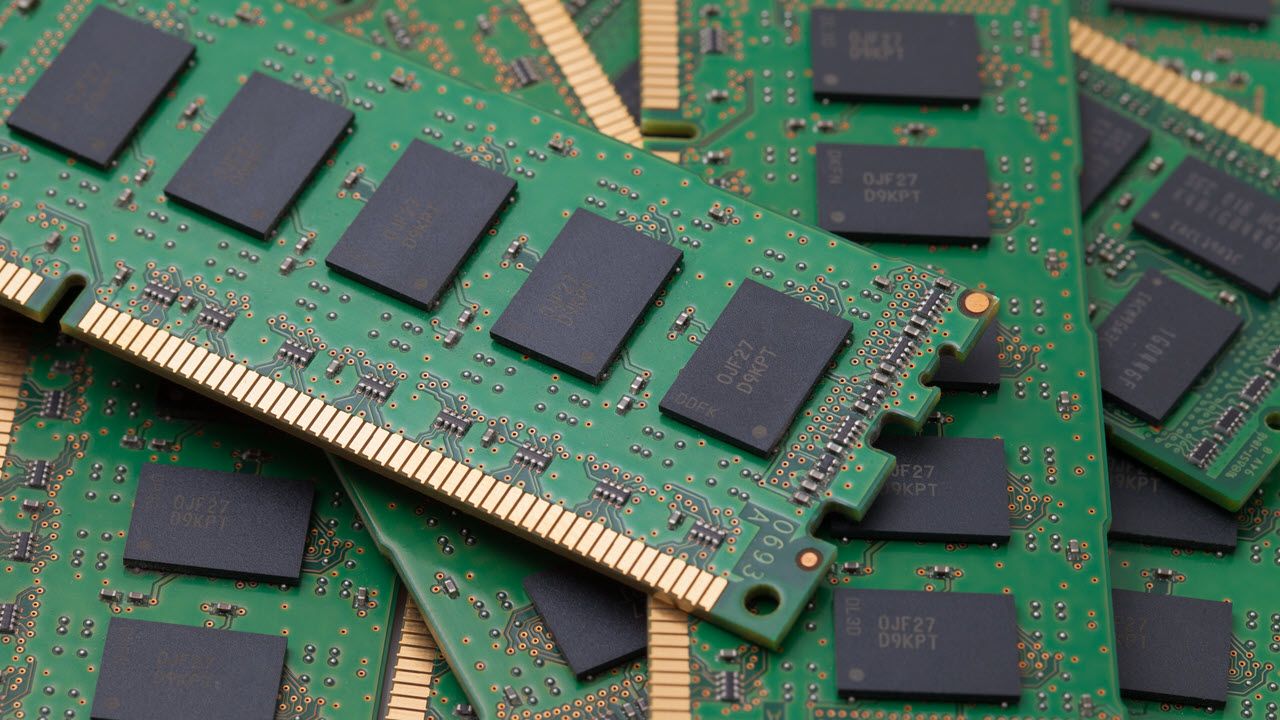
The memory market is entering a new phase in the third quarter of 2026, as price growth that once surged at breakneck speed begins to decelerate. According to research firm TrendForce, contract prices for conventional DRAM are projected to climb between 13% and 18% quarter-over-quarter, while NAND Flash prices are expected to rise by 10% to 15%. Though these gains remain significant, they represent a sharp slowdown from the approximately 60% increases recorded in the previous quarter.
This cooling trend stems from a fundamental shift in market dynamics. Consumer electronics manufacturers, battered by months of relentless price hikes, are pushing back against further cost increases. The report indicates that this resistance is not due to an improvement in supply—rather, buyers are simply reaching the financial limits of what they can absorb. Memory remains in short supply, but willingness to pay ever-higher prices has evaporated.
AI remains the dominant force shaping memory demand
Artificial intelligence continues to drive the market, with demand for AI inference systems and hyperscale data centers showing no signs of waning. This relentless appetite for server-grade memory has constrained supply for both DRAM and NAND, as manufacturers prioritize higher-margin server products over consumer-focused offerings. The result? Less capacity available for traditional memory used in PCs and smartphones, keeping prices elevated even as demand softens.
The market is increasingly bifurcating between enterprise and consumer segments. On the enterprise side, TrendForce anticipates sustained demand through 2027, fueled by improving CPU availability and the continued rollout of AI servers built around x86 processors and registered DIMMs (RDIMMs). Although server DRAM is expected to stay undersupplied in Q3, price increases should moderate due to long-term supply agreements that cushion some of the impact.
Consumer markets face a different reality
The picture for consumer electronics is starkly different. Notebook manufacturers are expected to continue restocking inventories, but the higher memory costs are gradually trickling down into retail pricing. TrendForce warns this trend could dampen PC shipments for the remainder of the year. Smartphone vendors are in a similar bind, with many preparing to raise handset prices to offset stubbornly high LPDRAM (low-power DRAM) costs while simultaneously scaling back production plans in response to softening consumer demand.
Storage products are also reflecting this divide. PC makers built up substantial client SSD inventories in the first half of 2026, making them less receptive to further price increases. Suppliers have adjusted their negotiation strategies accordingly, helping to stabilize SSD pricing even as enterprise storage benefits from AI infrastructure spending.
Mixed signals across the memory landscape
Not all segments are experiencing uniform demand. TrendForce highlights that NVIDIA’s RTX PRO 6000 Blackwell GPU has yet to spark the expected surge in GDDR7 demand, while weaker notebook shipments have also reduced demand for graphics memory. Meanwhile, retail products such as USB flash drives and memory cards remain sluggish, as manufacturers struggle to pass higher upstream costs to budget-conscious consumers.
For PC builders, meaningful price relief is unlikely in the near term. Memory costs are still climbing because AI infrastructure remains the industry’s top priority. However, the pace of these increases is slowing as consumer demand hits its breaking point. The memory market is learning to live with high prices—not because supply has improved, but because buyers can no longer afford to sustain the previous trajectory of growth.
AI summary
2026’nın üçüncü çeyreğinde bellek fiyatlarındaki artış yavaşlasa da AI talebi DRAM ve NAND fiyatlarını yüksek tutuyor. Tüketici elektroniği üreticilerinin artık maliyetleri karşılayamamasıyla fiyat baskısı hafifliyor.