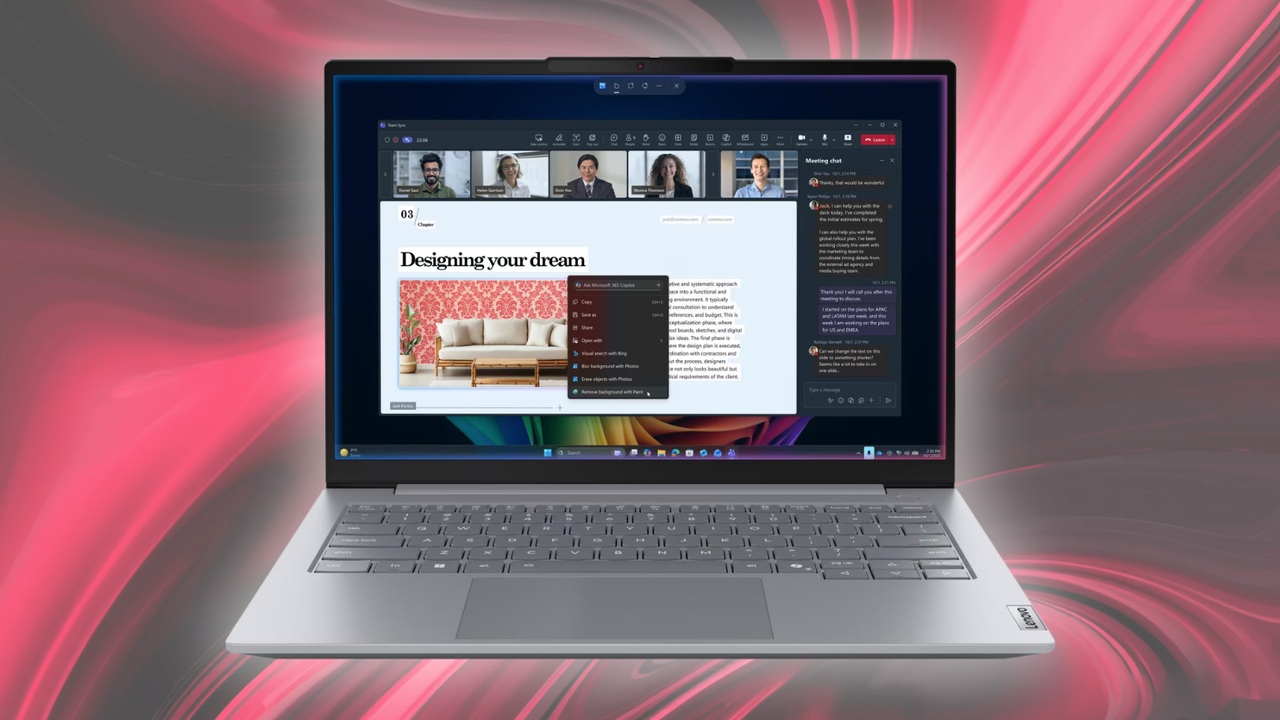
The global memory and storage chip shortage has pushed PC makers to explore alternative suppliers, and Lenovo’s latest budget laptop lineup may signal a new phase for Chinese-made components in Western markets. A recent review of the Lenovo ThinkBook 14 G9 IPL by Notebookcheck revealed that the machine ships with a 512GB YMTC M.2 NVMe PCIe 4.0 SSD—a first for a major original equipment manufacturer (OEM) laptop sold in the United States. The device is currently listed on Amazon for $1,124.25, indicating that the transition to alternative storage solutions is not just theoretical but already in retail channels.
Why YMTC SSDs are entering U.S. laptops despite restrictions
YMTC, a Chinese semiconductor manufacturer, has faced significant hurdles in expanding its global footprint due to geopolitical tensions. In 2022, the company was placed on the U.S. Department of Commerce’s Entity List, restricting its access to American technologies. However, this sanction does not prevent foreign-based OEMs like Lenovo—headquartered in China—from importing and distributing YMTC’s products in the U.S. market.
The move underscores a broader industry trend: as demand for memory and storage surges, particularly with the AI boom driving up prices, even established players are reconsidering their supply chains. Companies like Samsung, SK hynix, Kioxia, Micron, and SanDisk have long dominated the SSD market, but supply constraints have forced buyers to explore alternatives. Reports suggest that even Apple has explored lobbying for exceptions to source memory chips from Chinese firms like CXMT, which, while not on the Entity List, is still classified as a Chinese military company—posing compliance risks for U.S.-based buyers.
Performance trade-offs for everyday users
Notebookcheck’s evaluation of the YMTC drive in the ThinkBook 14 G9 IPL highlighted a key limitation: its performance "is below average for an SSD in an office laptop." While this may raise eyebrows among enthusiasts, most target users—office workers and students—are unlikely to notice or care. The laptop is marketed as a no-frills, everyday device, and its SSD speeds are sufficient to outpace traditional hard drives, making it a practical choice for buyers prioritizing affordability and reliability over cutting-edge performance.
For businesses and institutions with strict procurement policies, particularly those in sensitive industries or government sectors, the inclusion of a YMTC SSD could pose challenges. The company’s designation as a Chinese military company may trigger additional scrutiny during purchasing decisions. However, the ongoing chip shortage has reached a point where some buyers may have little choice but to accept these trade-offs to secure much-needed hardware.
Lenovo’s growing market influence amid PC market volatility
Lenovo’s decision to integrate YMTC SSDs into its ThinkBook series arrives at a time when the global PC market is experiencing significant volatility. According to industry data, PC shipments declined by 7% in the first quarter of 2026, yet Lenovo bucked the trend by increasing its market share by 1.2%, securing its position as the third-largest desktop and notebook brand after Dell and HP. This growth is particularly notable given the broader contraction in the budget laptop segment, where cost pressures are most acute.
The ThinkBook 14 G9 IPL, priced around $1,124, is positioned as an affordable office laptop, making it an attractive option for enterprise buyers. Mass adoption of such models could accelerate the mainstreaming of Chinese storage solutions in the U.S., even as geopolitical and compliance risks linger. For buyers without restrictive procurement policies, this represents an opportunity to access more affordable hardware in a market still grappling with supply chain disruptions.
As the semiconductor landscape continues to evolve, the Lenovo-YMTC partnership may serve as a bellwether for future supply chain shifts. While performance and compliance concerns remain, the broader trend suggests that necessity is driving innovation—and even compromise—in the quest to meet demand.
AI summary
Lenovo'nun yeni dizüstülerinde Çinli YMTC SSD'lerin kullanılması, global tedarik krizini ve performans ile güvenlik endişelerini ortaya koyuyor. Detaylı analiz burada.