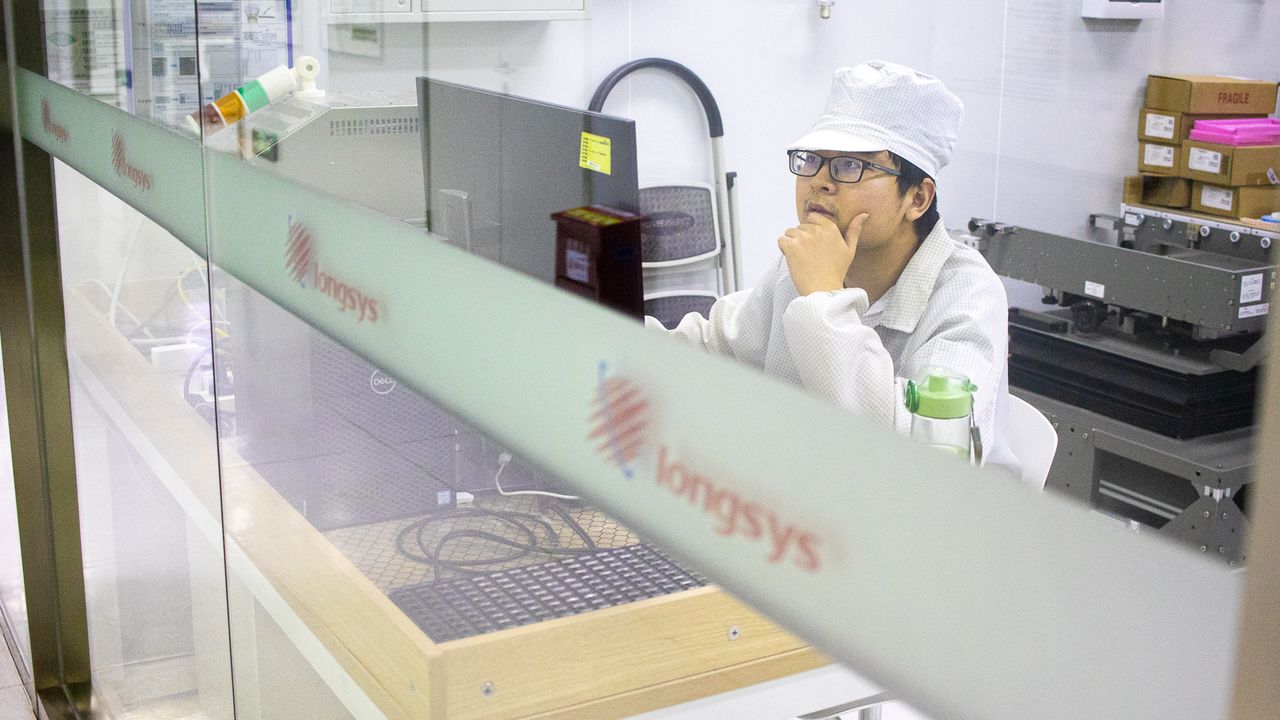
The memory and storage landscape is undergoing a seismic shift as Shenzhen Longsys Electronics, the Chinese parent company behind the Lexar brand, projects a net profit between $1.36 and $1.62 billion for the first half of 2026. This figure eclipses its 2025 first-half profit of just $2.2 million—a staggering 61,818% to 73,636% jump—while revenue is expected to more than double to $3.24–$3.68 billion. The explosive growth stems from surging demand for memory and storage chips, fueled by the global AI infrastructure expansion and constrained wafer capacity across the industry.
AI infrastructure fuels unprecedented profit growth
Longsys attributes its record-breaking performance to the insatiable appetite for memory and storage components in AI data centers, where high-bandwidth memory (HBM) and solid-state drives (SSDs) are critical. The company has secured long-term supply agreements with global memory wafer manufacturers to stabilize its production pipeline, though it has not disclosed specific partners. This strategic move positions Longsys at the forefront of a supply chain reshuffle, as Chinese semiconductor firms increasingly sidestep Western incumbents like Micron, Samsung, and SK hynix in favor of domestic alternatives such as CXMT and YMTC.
The shift is gaining traction even among Western buyers. Major U.S. manufacturers, including Corsair, Dell, and HP, are exploring chips from Chinese suppliers, despite geopolitical sensitivities. Apple, a long-time dominant force in supplier negotiations, has reportedly lobbied Washington to relax restrictions on accessing CXMT’s memory chips—despite the company being flagged by the Pentagon as a potential military-linked entity. Industry analysts warn that AI-driven shortages could persist until at least 2027, with Samsung and SK hynix cautioning customers to reserve supply years in advance.
Regulatory approval unlocks $544 million funding boost
Longsys’s stock surged 12.5% on the Shenzhen Stock Exchange following its profit forecast, doubling from its lows just three months prior. Beyond market momentum, Chinese regulators have greenlit a private share placement valued at up to $544 million (3.7 billion yuan), enabling the company to raise capital directly from investors. The funds will be earmarked for research and development, with a focus on next-generation memory solutions tailored for AI workloads, including advanced storage controllers and high-end SSDs.
Market disruption reshapes global chip dynamics
The memory shortage is already taking a toll on broader sectors. Analysts predict the global PC market will shrink by 14% in 2026, with budget laptops bearing the brunt of inflated component prices. As traditional suppliers struggle to meet demand, Chinese firms like CXMT, YMTC, and downstream players such as Biwin are seizing the opportunity to challenge Western dominance. This strategic pivot not only diversifies supply chains but also accelerates innovation in memory technology, potentially reducing reliance on a handful of established manufacturers.
Looking ahead, the industry’s trajectory will hinge on balancing supply constraints with burgeoning AI requirements. Longsys’s forecast underscores a pivotal moment where geopolitical, economic, and technological forces converge, reshaping the future of global semiconductor competition. The question remains: Can Western and Chinese suppliers coexist, or will the AI boom further fracture the already strained supply ecosystem?
AI summary
Çinli bellek devi Longsys, AI talebinin tetiklediği patlama sayesinde 2026’nın ilk yarısında karlılığını 60.000 kat artırdı. Yerli üreticiler CXMT ve YMTC’nin yükselişi, küresel tedarik zincirinde devrim yaratacak.