
Intel Xeon 7 Diamond Rapids Delayed to 2027: What It Means for Data Centers
A new leak reveals Intel’s Xeon 7 Diamond Rapids server CPUs are now delayed until 2027, shifting strategic timelines for data center upgrades and competitive positioning.
A new leak reveals Intel’s Xeon 7 Diamond Rapids server CPUs are now delayed until 2027, shifting strategic timelines for data center upgrades and competitive positioning.

Farmers and residents in Illinois protested a proposed data center, fearing it would drain their shared aquifer and threaten crops and drinking water. Their resistance highlights a growing divide over tech infrastructure in rural America.

Anthropic has more than doubled coding session limits for its Pro and Max subscribers after securing a major compute capacity agreement with SpaceX. The move signals a shift in AI infrastructure partnerships and user access expansion.

AI infrastructure demands are reshaping power grids, utility costs, and local communities worldwide. From Utah’s 40,000-acre project to Iran’s warnings, the stakes couldn’t be higher.

Abandoned industrial sites in rural America are getting a second life as data centers, bringing new jobs and investment to struggling towns like Jay, Maine.

A new interactive map tracks data center expansion and AI regulations, helping residents spot local growth and understand its implications. Explore where tech giants are expanding and why.

A recent town hall in Pennsylvania drew 225 attendees who voiced concerns over rising electricity bills, water consumption, and environmental impact linked to the state’s data center surge. Critics say their voices are being ignored in the rush for economic growth.
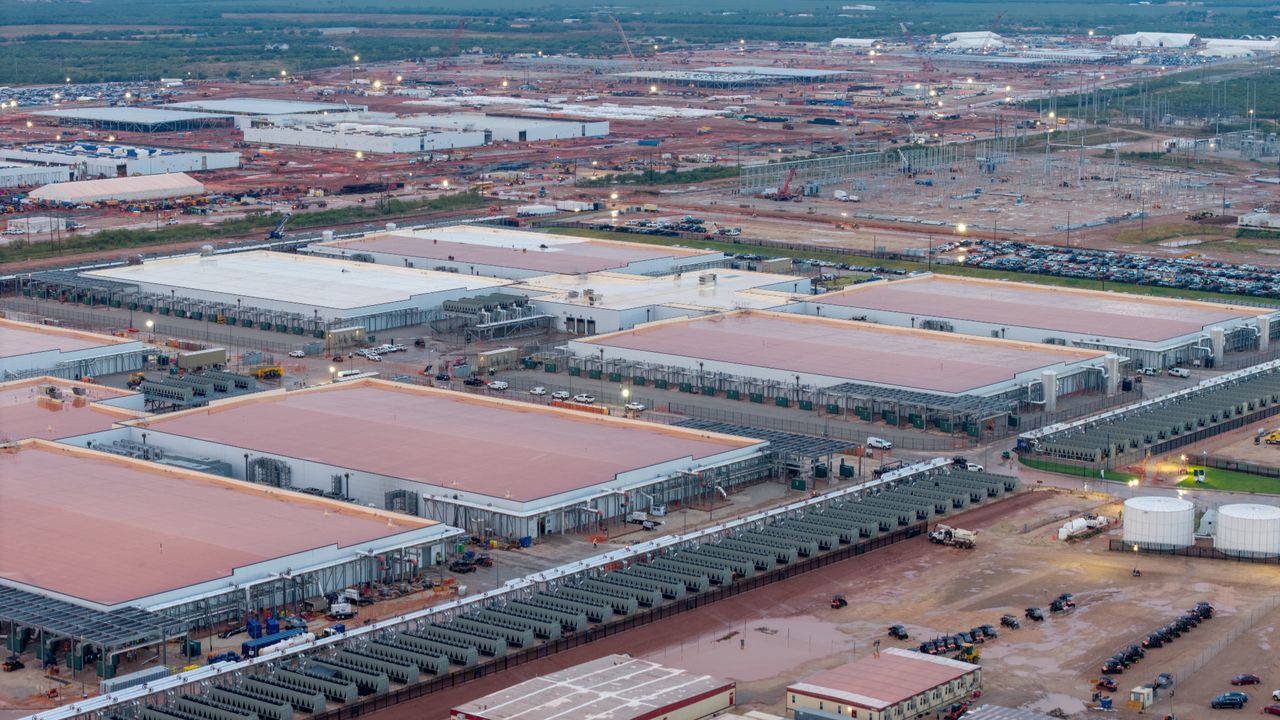
A rural Texas county has implemented a temporary ban on data center construction, citing concerns over strain on resources. The move reflects growing tensions as AI-powered facilities expand into remote areas, prompting legal scrutiny.

After facing fierce opposition from residents and lawmakers, Kevin O’Leary has agreed to shrink his massive Utah data center project by nearly half. The move follows pressure to reduce environmental impact and address water usage concerns.

A massive Utah data center project has been slashed by half after local backlash over water use and rising electricity costs. Critics fear the original plan could have drained vital resources from the already struggling Great Salt Lake ecosystem.

Controversial remarks by Shelbyville’s mayor about opponents to a $2 billion data center have intensified local divisions over economic benefits versus community concerns.

Local opposition has derailed $130 billion in data center projects since January 2026, marking the highest quarterly disruption since tracking began. Communities are adopting coordinated strategies while lawmakers and activists escalate pressure on big tech infrastructure.