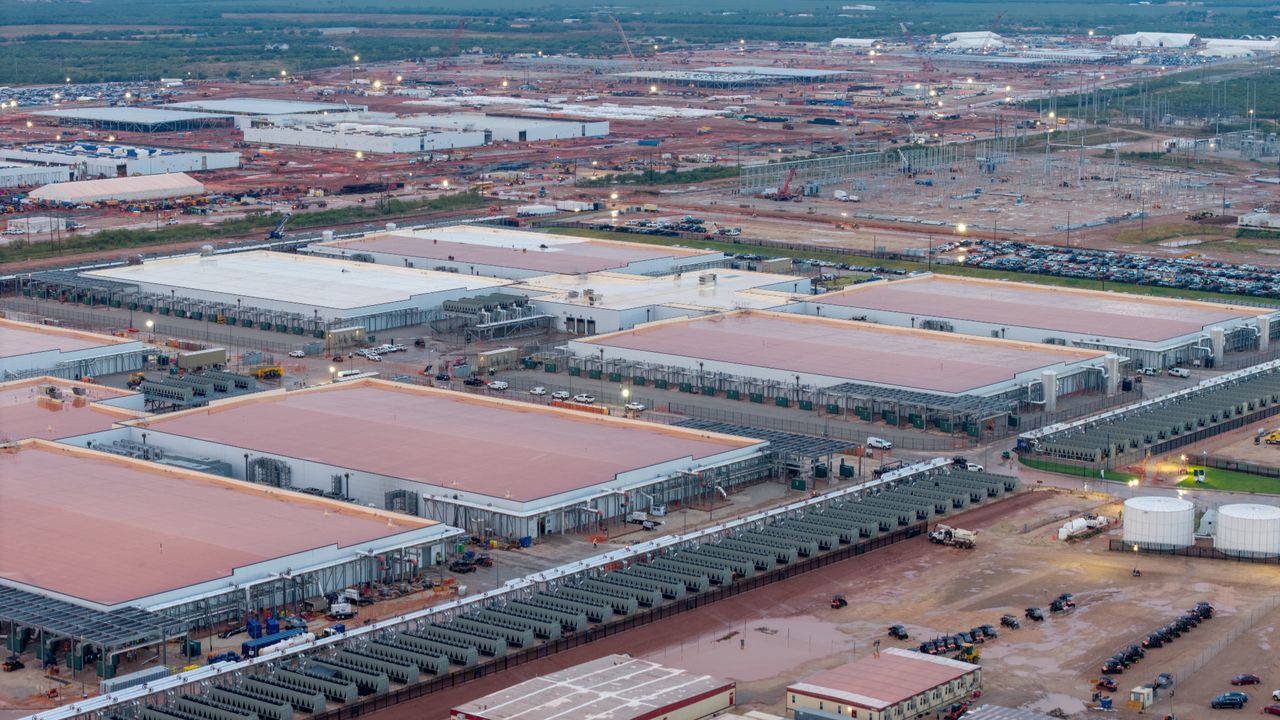
In a bold move to evaluate the long-term effects on infrastructure and resources, Hill County, Texas, has approved a one-year moratorium on new data center projects. The decision comes as local officials grapple with the rapid expansion of energy-intensive facilities, particularly those tied to artificial intelligence workloads.
The temporary halt was passed unanimously by county commissioners, who cited concerns over water consumption, power grid strain, and the potential for rapid local development to outpace existing infrastructure. While the moratorium is intended as a precautionary measure, it has already sparked debate among residents, business advocates, and energy providers across the region.
Legal Uncertainty Surrounds Moratorium
County Attorney David Foote has warned that Hill County’s ban could face legal challenges, citing potential conflicts with state regulations. Foote emphasized that counties in Texas may lack the legal authority to impose blanket moratoriums on data center projects, particularly when such restrictions are not tied to specific zoning or environmental assessments.
The legal ambiguity has prompted State Senator Lois Kolkhorst to request an opinion from the Texas Attorney General’s office. Kolkhorst, who represents the district including Hill County, argued that counties cannot unilaterally block data center development without clear justification under state law. Her request signals a broader state-level examination of how rural areas should regulate the booming sector.
Why Rural Areas Are Becoming Data Center Hotspots
The surge in data center construction in remote regions like Hill County is driven by several factors:
- Lower land costs: Rural counties offer significantly cheaper real estate compared to urban markets.
- Tax incentives: Many states and counties provide generous tax breaks to attract data center operators.
- Cooling advantages: Cooler climates and abundant water sources reduce operational expenses for energy-intensive facilities.
However, these benefits come with trade-offs. Local governments often struggle to balance economic growth with the strain on local resources. In Hill County, officials are now tasked with assessing whether the benefits of data centers outweigh the costs to the community.
Looking Ahead: What’s Next for Hill County?
The one-year moratorium gives Hill County time to evaluate the environmental and economic impacts of data center development. Commissioners plan to hold public hearings and consult with energy experts to develop a long-term strategy. Meanwhile, data center operators remain in a holding pattern, uncertain whether the ban will be extended or lifted.
For rural communities across Texas and beyond, the outcome of this case could set a precedent for how they approach data center regulations in the future. Whether the moratorium stands or falls, one thing is clear: the debate over balancing technological progress with local sustainability is far from over.
AI summary
Teksas'ın Hill County bölgesinde veri merkezlerine getirilen yasağın arkasında yatan nedenler, yasal riskler ve AI taleplerinin etkilerini keşfedin. Yerel ve ulusal düzeydeki olası sonuçları inceleyin.