
Kimi K2.6 Shows How Long-Running AI Agents Strain Existing Orchestration
Moonshot AI’s new Kimi K2.6 can run autonomous agents for days, exposing critical gaps in current orchestration frameworks designed for short-lived tasks.
Moonshot AI’s new Kimi K2.6 can run autonomous agents for days, exposing critical gaps in current orchestration frameworks designed for short-lived tasks.

AWS Quick’s new desktop agent builds a living knowledge graph from your emails, files, and apps—proactively acting without prompts. But as AI autonomy grows, enterprises face fresh governance and oversight challenges.

A hidden Linux VM inside your Mac runs when you use Claude Desktop’s Cowork feature. Here’s why it exists and how it keeps your files safe from AI mishaps.

Anthropic’s expanded Claude Managed Agents now bundles memory, evaluations, and agent orchestration into a single runtime, pushing enterprises to weigh flexibility against built-in efficiency.
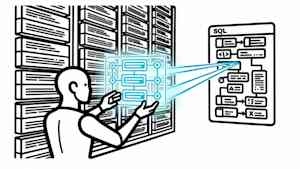
Enterprise AI agents often return wrong answers when they guess table relationships in complex databases. New tools now mine actual query history to guide these agents toward reliable data paths.

AI agents in enterprises are stalling not due to weak models but because of tangled permissioning and governance. Workday’s Sana integrates directly with existing systems to enforce real-time security and accuracy.
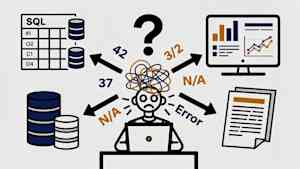
AI agents often return confident but incorrect answers because they interpret enterprise data differently. A new context layer aims to unify business logic across systems, ensuring consistent results no matter which tool queries the same data.

Microsoft’s new IQ layer and Rayfin SDK aim to eliminate fragmented AI agent ecosystems by unifying context and routing app data into Fabric’s governed foundation.

AI agents need more than text generation—they must interact with live websites. Discover how the open-source browser-use framework enables real browser automation for agents while cutting token costs by up to 50%.