Valve is broadening the reach of its Linux-based SteamOS far beyond the Steam Deck, signaling a strategic shift in how the company approaches its gaming operating system. In recent discussions with The Verge, Pierre-Loup Griffais, a key engineer at Valve, confirmed that the company is collaborating closely with Nvidia to ensure compatibility with Team Green’s GPUs. This partnership could pave the way for a more accessible SteamOS experience, particularly for users who prefer or require Nvidia hardware.
SteamOS 3.8.10 brings incremental improvements but leaves gaps
The latest update to SteamOS, version 3.8.10, was released last week, introducing support for Intel and AMD platforms, including upcoming Intel-powered handheld devices. While this marks progress in expanding SteamOS’s compatibility, Nvidia GPUs remain unsupported for now. Griffais acknowledged that Nvidia support is not expected in 2024 but emphasized that the company is actively working on it. This development is crucial for users who rely on Nvidia’s graphics cards for gaming or professional workloads, as current installations often require complex workarounds or additional Radeon GPUs to function properly.
A new installer aims to simplify SteamOS adoption
One of the biggest barriers to SteamOS adoption has been its installation process. Valve is reportedly developing a dedicated installer that would allow users to replace their existing operating system with SteamOS in a single step, eliminating the need for advanced technical knowledge. Currently, the installer does not support dual-boot setups, but Griffais hinted that this feature could be introduced in future updates. Such a change would make SteamOS more appealing to gamers who want to experiment with Linux without permanently abandoning Windows or other operating systems.
Dual-boot potential could bridge Windows and Linux gaming
The possibility of dual-booting SteamOS alongside Windows or other platforms represents a significant opportunity for Valve. This feature would enable users to switch between gaming environments seamlessly, leveraging SteamOS’s performance optimizations for Linux-native games while retaining access to Windows-only titles. While dual-boot functionality is not yet available, its inclusion in future updates could accelerate SteamOS adoption, particularly as more gamers seek alternatives to Windows for gaming.
The SteamOS momentum builds beyond handhelds
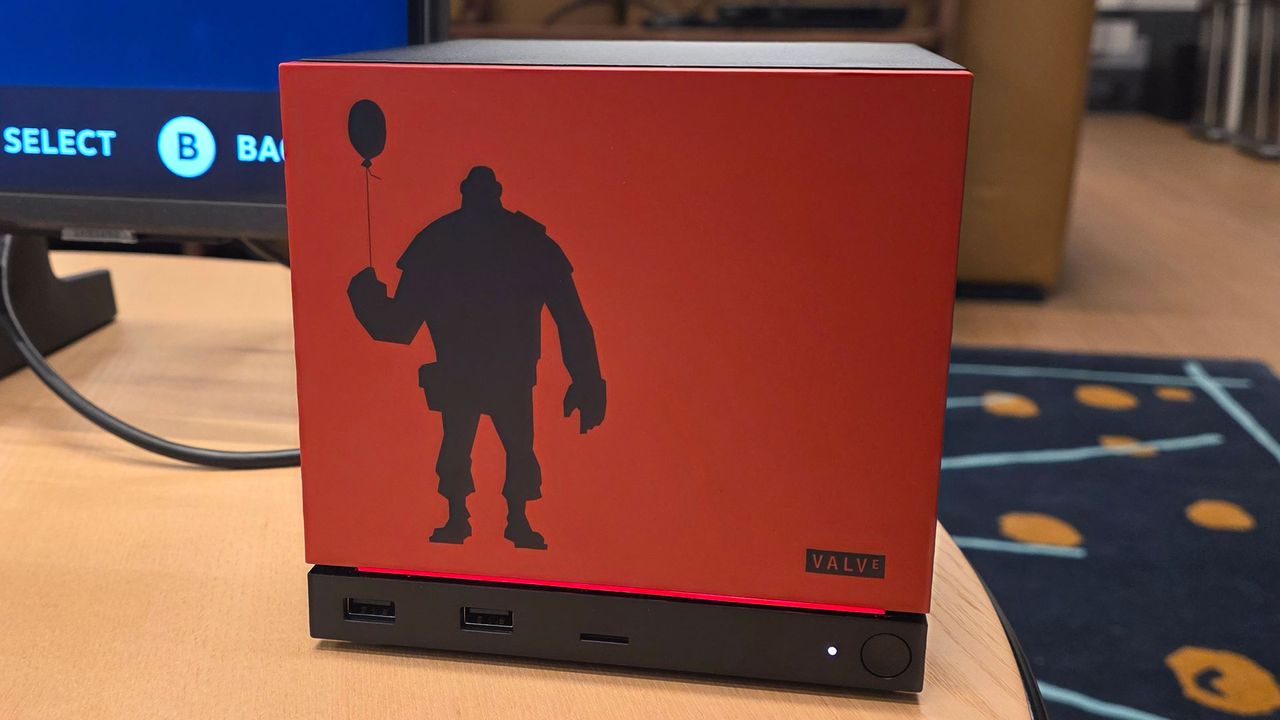
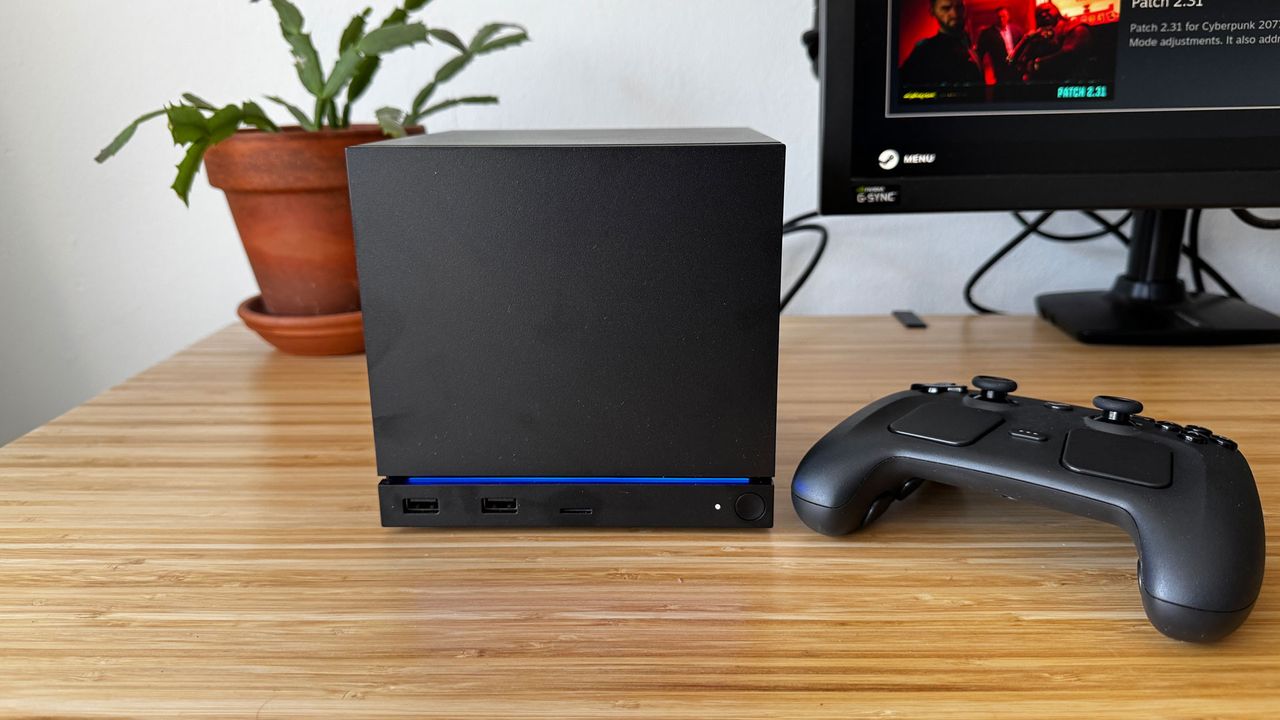
Windows remains the dominant gaming operating system, commanding nearly 70% of the market according to the latest Steam Hardware Survey. However, Linux—primarily through SteamOS—is gaining traction, now holding a 3.99% share, surpassing macOS’s 2.16%. This growth is largely attributed to the popularity of the Steam Deck, despite recent price increases. As Valve prepares to launch its Steam Machine console, the interest in SteamOS is likely to surge further, especially if the new installer and Nvidia support materialize as planned.
For PC gamers tired of Windows’s limitations or simply curious about Linux gaming, Valve’s expanded vision for SteamOS could offer a compelling alternative. The coming months will reveal whether Valve’s efforts translate into broader adoption or remain confined to enthusiast circles.
AI summary
Valve’ın SteamOS’unu genel kullanıma sunma hazırlıkları hızlanıyor. Nvidia ile yapılan iş birliğiyle donanım uyumluluğu artarken, gelecekte Windows ile çift önyükleme desteği de gelecek.