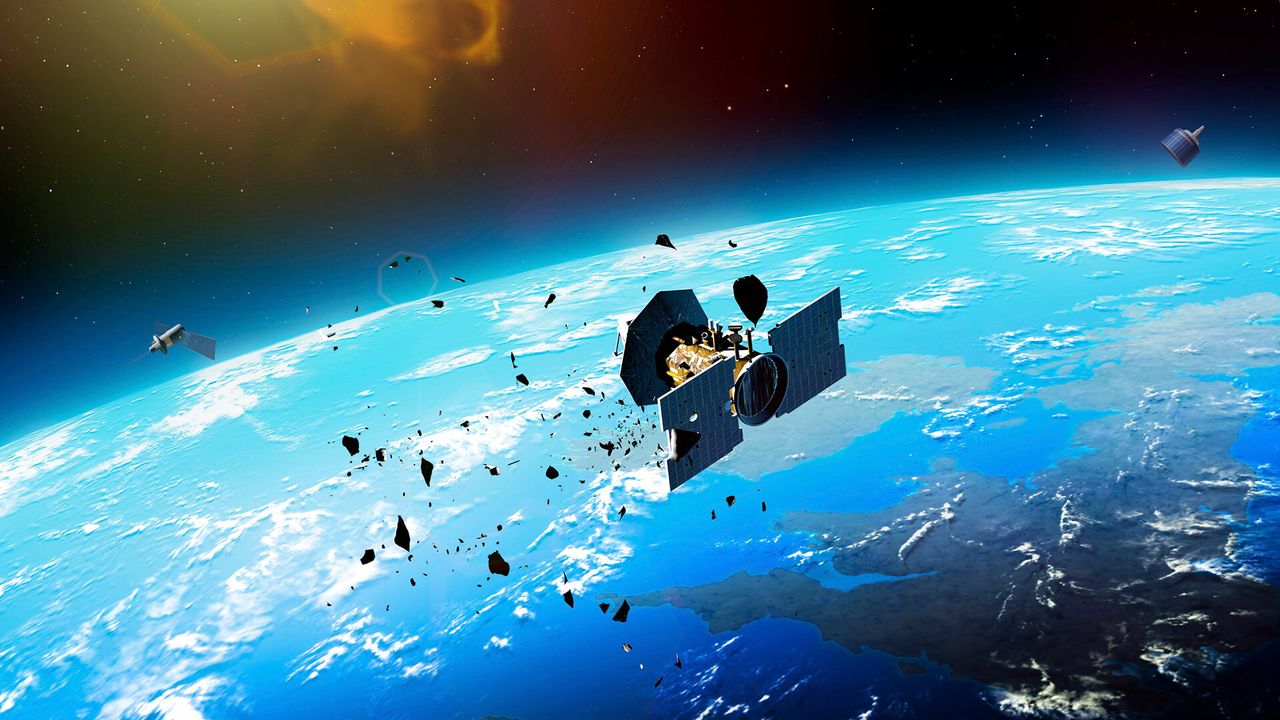
SpaceX has confirmed it intentionally destroyed 260 Starlink satellites between December 2025 and May 2026, vaporizing the hardware through controlled atmospheric re-entry. The company’s latest filing with the Federal Communications Commission (FCC) details how 176 of these belonged to the first-generation Starlink constellation, while the remaining 84 were second-generation models. An additional 349 satellites were decommissioned during the same period and are scheduled for disposal in the coming months.
The sheer scale of SpaceX’s operations is evident in its orbital turnover. As of the FCC report, the Starlink constellation had exceeded 10,000 active satellites, with each unit designed for a roughly five-year lifespan. Once its fuel is depleted, the satellite executes a controlled de-orbit maneuver, using its remaining propellant to descend into Earth’s atmosphere. Extreme friction ensures 100% incineration, eliminating the need for retrieval—a process the company describes as both technically impractical and financially unviable.
How Starlink’s satellite disposal works
Starlink’s disposal method relies on a phased approach that begins with fuel depletion. When a satellite nears the end of its operational life, it consumes its remaining propellant to lower its orbit. The descent is carefully calculated to ensure complete disintegration upon re-entry, leaving no debris behind. This strategy contrasts with other satellite operators who may attempt recovery or long-term storage in graveyard orbits.
The company’s first-generation satellites weigh between 573 and 650 pounds, while second-generation units range from 1,764 to 2,756 pounds. Despite their size, SpaceX asserts that atmospheric incineration is the most efficient method for disposal. The company’s data suggests it removes multiple satellites from orbit daily, with over 472 deorbited between December 2024 and May 2025 alone.
Rising environmental concerns over satellite burning
While SpaceX’s disposal method eliminates physical debris, it has sparked debate among researchers and regulators about its atmospheric impact. The incineration of satellites releases metallic particles and other byproducts into the upper atmosphere, prompting calls for further environmental studies. Critics argue that the cumulative effect of burning thousands of satellites—each functioning as a miniature orbital data center—warrants closer examination.
The FCC has historically exempted satellites from environmental reviews under the National Environmental Policy Act (NEPA), citing concerns that regulations could hinder the space industry’s growth. A recent proposal suggests continuing this exemption, classifying space-based operations as "extraterritorial activities" beyond U.S. jurisdiction. If approved, this would prevent the application of NEPA standards to satellite disposal methods.
Future of Starlink’s orbital ambitions and infrastructure
SpaceX’s long-term vision includes deploying up to 42,000 Starlink satellites, with FCC approval already granted for 7,500 additional Gen2 satellites earlier this year. The company is also advancing plans for orbital data centers, including the A1 satellite, which will feature a 120 kW compute payload. To support this expansion, SpaceX is constructing the Gigasat manufacturing facility—a 11-million-square-foot complex designed to produce satellites at scale. The facility aims to deliver up to 1 GW of annual space-based AI compute by late 2027.
As SpaceX continues to push the boundaries of satellite technology, the environmental and regulatory implications of its disposal practices remain unresolved. The balance between innovation and sustainability will likely shape the future of mega-constellations and their role in global connectivity.
AI summary
SpaceX, son 6 ayda 260 Starlink uydusunu kontrollü şekilde atmosfere sokarak yok etti. Uzay enkazı sorunu ve çevresel etkiler hakkında bilmeniz gerekenler burada.