When RAM prices soar and supply chains falter, some innovators turn to the past for solutions. One maker, known online as polymatt, has crafted a functional USB drive using magnetic core memory—a technology that powered NASA’s Apollo spacecraft guidance systems. Unlike modern flash memory, this DIY device stores just 64 bits (8 bytes) of data persistently, even without power, and resists radiation that would corrupt conventional RAM.
Handcrafted Memory: A Blast from the Past
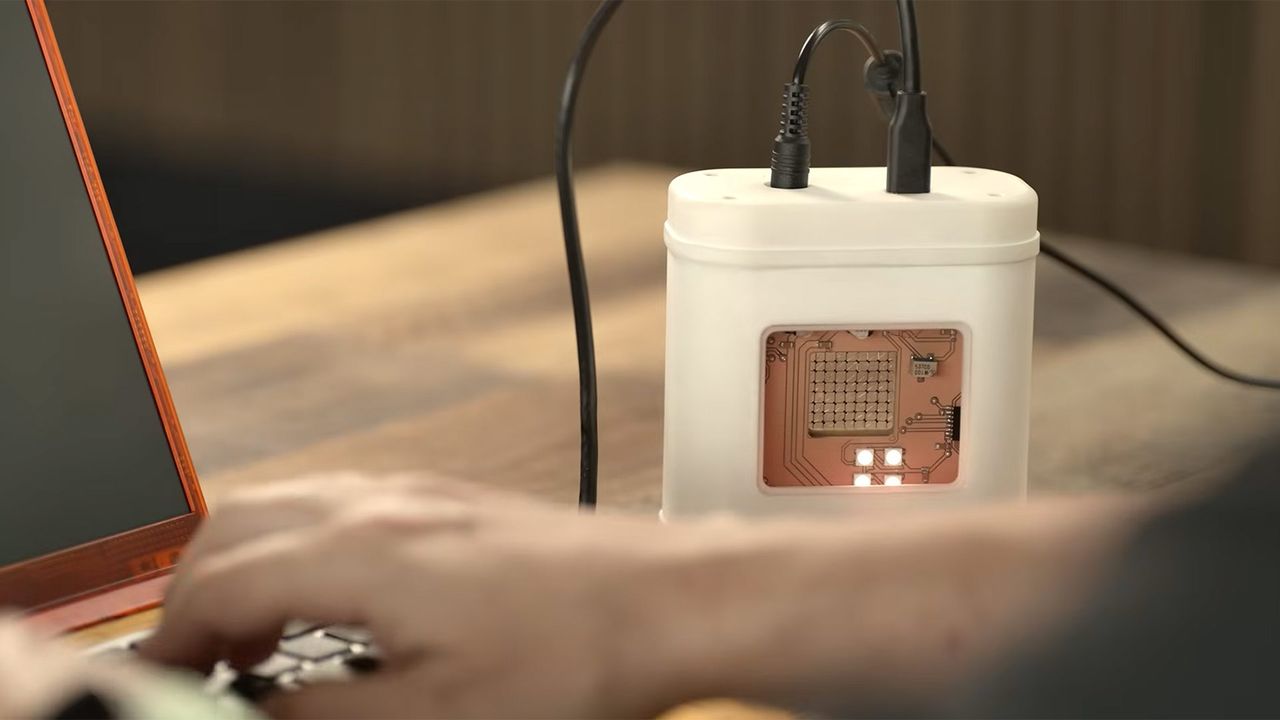
Magnetic core memory was the gold standard for computer storage in the 1960s and 1970s, long before silicon chips dominated the industry. To build his retro-modern USB drive, polymatt sourced tiny magnetic rings from a salvaged Russian computer, immersing them in silicone oil to preserve their function. Each ring represents a single bit, and the entire assembly was hand-threaded—no automated shortcuts were used.
The project required a mix of old-school craftsmanship and modern tools. Polymatt used a soldering iron, a CNC machine, and a 3D printer to fabricate the device’s housing and circuitry. While the final product resembles a standard USB drive, its internals are anything but ordinary. The maker even considered adding LEDs to visualize each bit’s state but opted against it, citing aesthetic simplicity.
Testing Persistence and Resilience
Unlike commercial USB drives that store files in discrete blocks, polymatt’s device maintains a single persistent file called core.txt. The maker demonstrated its non-volatile nature by unplugging and replugging the drive—data remained intact, proving the memory’s resistance to power loss. This feature would have been invaluable in early space missions, where reliability was paramount.
Radiation resistance is another hallmark of magnetic core memory. Modern DRAM and flash storage can fail when exposed to cosmic rays or high-energy particles, but magnetic cores remain largely unaffected. While this DIY drive won’t replace your SSD, its durability makes it an intriguing experiment for tech enthusiasts and historians alike.
Aesthetic Appeal Over Practicality
Polymatt’s creation weighs in at just 64 bits, a far cry from the gigabytes and terabytes we’ve grown accustomed to. Yet, its novelty lies in its form and function. The device’s hand-built design and retro-futuristic aesthetic make it a conversation piece on any desk. The silicone oil bath, while likely unnecessary, adds a layer of authenticity to the build.
For those curious about the process, polymatt documented the entire project in a 20-minute video, walking viewers through each step—from salvaging parts to final testing. The result is a functional yet impractical throwback to an era when computers filled entire rooms and reliability mattered more than speed.
The Future of Homebrew Memory
This project joins a growing trend of DIY memory projects, from garden-shed RAM fabs to miniature core memory arrays. While none of these innovations are practical for mainstream use, they serve as educational tools and tributes to computing’s pioneering days. As supply chain disruptions continue to strain the tech industry, perhaps these retro-inspired experiments will inspire new ways to think about storage—even if only for nostalgia’s sake.
For now, polymatt’s USB drive remains a marvel of ingenuity, proving that sometimes, the past holds solutions the present has overlooked.
AI summary
RAM fiyatlarının yükseldiği şu günlerde elle yapılmış manyetik çekirdek bellek USB sürücü projesiyle tanışın. 64 bit kapasiteli bu retro cihaz, Apollo teknolojisinden ilham aldı ve radyasyona dayanıklı kalıcı bellek sunuyor.