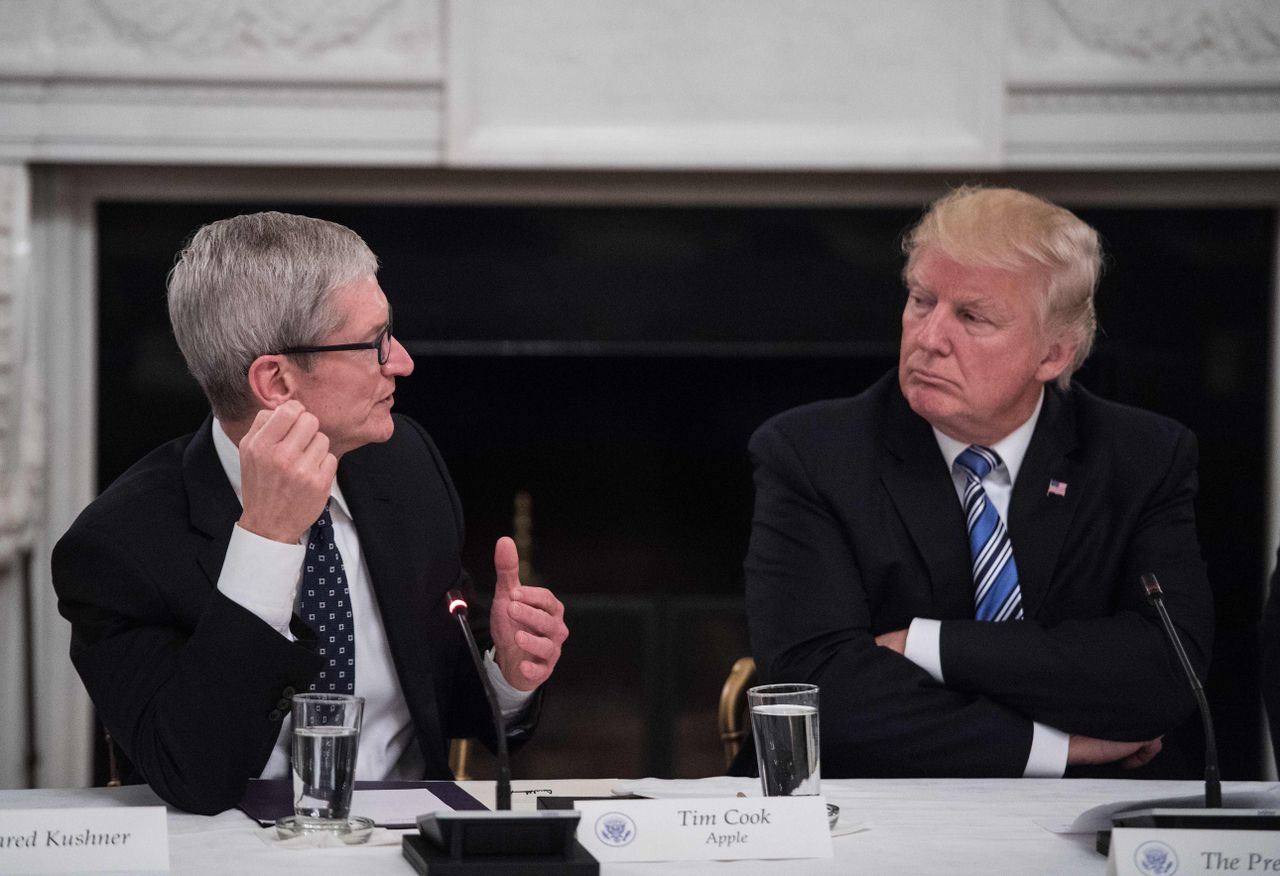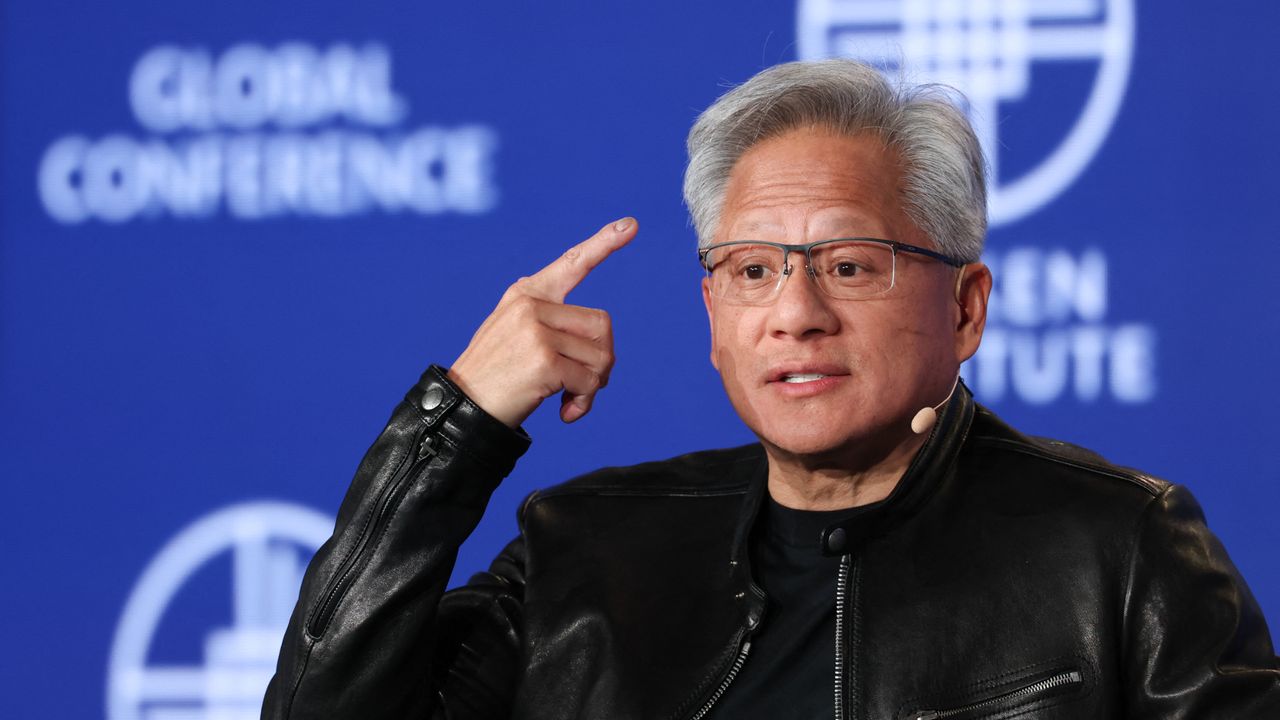
Nvidia’s CEO Jensen Huang did not receive an invitation to President Trump’s recent state visit to China, breaking a pattern of high-profile tech leadership presence at such diplomatic events. While Apple’s Tim Cook and Tesla’s Elon Musk were included in the delegation, Huang’s absence underscores growing tensions over U.S. restrictions on advanced semiconductor exports to China.
Diplomatic signals and tech policy shifts
Industry observers view Huang’s exclusion as a deliberate message from Washington to Beijing about the U.S. commitment to limiting high-end chip shipments to China. Since 2022, the U.S. has imposed strict controls on exports of AI accelerators and other advanced semiconductors, citing national security concerns. These restrictions have forced Nvidia to redesign its products for the Chinese market, such as the A800 and H20 chips, to comply with the rules.
Analysts at the Center for Strategic and International Studies (CSIS) suggest that Huang’s omission reflects a broader strategy to signal resolve. "The absence of a key industry leader like Jensen Huang sends a clear message that the U.S. is prioritizing policy consistency over diplomacy," said a senior fellow at CSIS. The move also highlights the challenges tech executives face in navigating geopolitical tensions while maintaining global business operations.
Nvidia’s market position amid export controls
Nvidia’s dominance in AI chip production has made it a focal point in the U.S.-China tech rivalry. The company’s GPUs power data centers worldwide, but its access to the Chinese market—a critical revenue stream—has been significantly constrained by export bans. In response, Nvidia introduced modified versions of its chips, such as the H20, tailored to meet the U.S. government’s guidelines while still serving Chinese customers.
Financial analysts estimate that China accounted for nearly 25% of Nvidia’s total revenue in 2023 before the export restrictions took full effect. The company’s stock price has fluctuated in response to policy shifts, reflecting investor concerns about long-term growth in the region. "Nvidia’s ability to adapt will determine whether it can sustain its leadership in the AI chip market," said an analyst at Morgan Stanley.
Broader implications for tech diplomacy
Huang’s exclusion from the Chinese visit is not an isolated incident. Other major tech CEOs, including those from AMD and Qualcomm, have also faced challenges in securing invitations to high-profile international delegations. This trend suggests a recalibration of how tech leaders engage with global diplomacy, particularly when their companies are directly impacted by geopolitical policies.
The situation also raises questions about the role of tech diplomacy in shaping international relations. Historically, tech CEOs have acted as unofficial ambassadors, bridging gaps between governments through business collaborations. However, as export controls and trade wars intensify, the lines between corporate strategy and national policy are becoming increasingly blurred.
What’s next for Nvidia and U.S.-China tech relations?
As the U.S. maintains its export restrictions, Nvidia and other chipmakers will need to explore alternative strategies to sustain growth. This could include expanding operations in regions like Southeast Asia or Europe, where regulatory environments may be more favorable. Meanwhile, Beijing is expected to continue pressuring Washington for concessions, potentially leveraging its market access as a bargaining chip.
For now, Huang’s absence from the China visit serves as a reminder of the high stakes involved in the global tech landscape. As policies evolve, the decisions made by governments and corporations alike will shape the future of AI innovation and semiconductor trade for years to come.
AI summary
ABD Başkanı Trump’ın Çin ziyaretine davet edilen isimler arasında Nvidia CEO’su Huang bulunmadı. ABD’nin Çin’e yüksek performanslı çip ihracatını yasaklama politikası ve Huang’ın gelecekteki stratejileri hakkında detaylar.