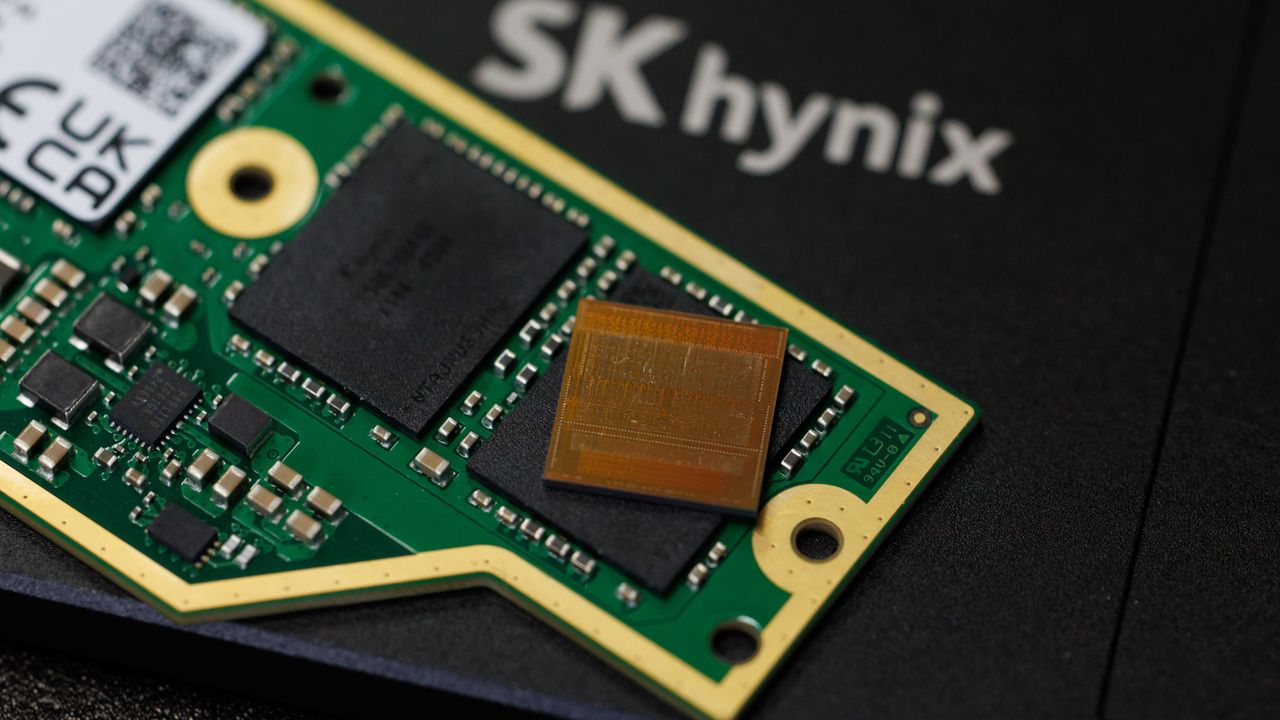
The surge in artificial intelligence workloads is reshaping the semiconductor landscape, and a coalition of nine prominent U.S. trade associations is sounding the alarm. In a formal appeal to the Trump administration, the group highlights a growing imbalance between AI data center demand for high-performance memory chips and the ability of suppliers to meet it. Without swift policy intervention, the imbalance could ripple across industries for years, pushing DRAM prices higher and disrupting supply chains through 2027.
AI’s insatiable appetite for memory chips
Modern AI systems rely heavily on massive datasets and high-speed computation, which in turn depend on advanced DRAM modules. According to the coalition, AI data centers are now consuming memory at an unprecedented rate—far outpacing forecasts from just two years ago. One internal estimate cited by the group suggests that AI workloads could account for nearly one-third of total DRAM demand by 2025, up from less than 15% in 2022.
This rapid uptake is driven by the deployment of large language models and real-time inference workloads, both of which require continuous access to vast memory pools. As a result, memory manufacturers are reallocating production lines away from standard-grade DRAM used in consumer electronics and automotive systems, tightening supply for traditional sectors.
Industry-wide ripple effects across key sectors
The coalition warns that the memory crunch will not be isolated to data centers. Key industries—including automotive, medical devices, and telecommunications—are poised to face cascading disruptions. Automakers, for example, rely on DRAM for infotainment systems, advanced driver-assistance software, and in-vehicle computing. Rising chip costs and allocation constraints could delay new model rollouts and increase vehicle prices.
Similarly, medical device manufacturers use memory chips in imaging systems, patient monitoring devices, and surgical robots. A prolonged shortage could slow innovation and raise the cost of critical healthcare technologies. The telecommunications sector is also vulnerable, as network infrastructure upgrades and 5G expansion depend on stable memory supply.
Supply chain fragility and long-term policy gaps
The coalition argues that current market mechanisms are insufficient to address the structural shift caused by AI. Memory fabrication requires multi-year lead times, and capacity expansions announced today will not come online until 2026 or later. Meanwhile, demand continues to accelerate, creating a potential supply-demand gap that could persist for years.
In their letter, the associations call on the administration to prioritize domestic memory production incentives, expand export controls on advanced semiconductor tools, and coordinate with allies on supply chain diversification. They also urge the federal government to invest in workforce training programs to support semiconductor manufacturing growth.
A call for coordinated action
The coalition includes the U.S. Semiconductor Industry Association, the Consumer Technology Association, and the Alliance for Automotive Innovation, among others. Their joint statement reflects growing concerns within the tech and industrial base about the unintended consequences of AI’s rapid expansion.
While the administration has not yet responded publicly, industry analysts suggest that without intervention, consumers, businesses, and healthcare systems may bear the brunt of higher prices and delayed innovation. Policymakers are now under pressure to balance AI advancement with the preservation of critical supply chains across multiple sectors.
The road ahead will require collaboration between government, manufacturers, and end-users. As AI continues to evolve, so too must the infrastructure that supports it—before the memory gap becomes a permanent constraint.
AI summary
Yapay zeka veri merkezlerinin bellek talebi artıkçık kaynağı. DRAM fiyatları otomotivden tıbba kadar tüm sektörleri nasıl etkiliyor? ABD’li koalisyonun acil uyarıları ve çözüm önerileri.