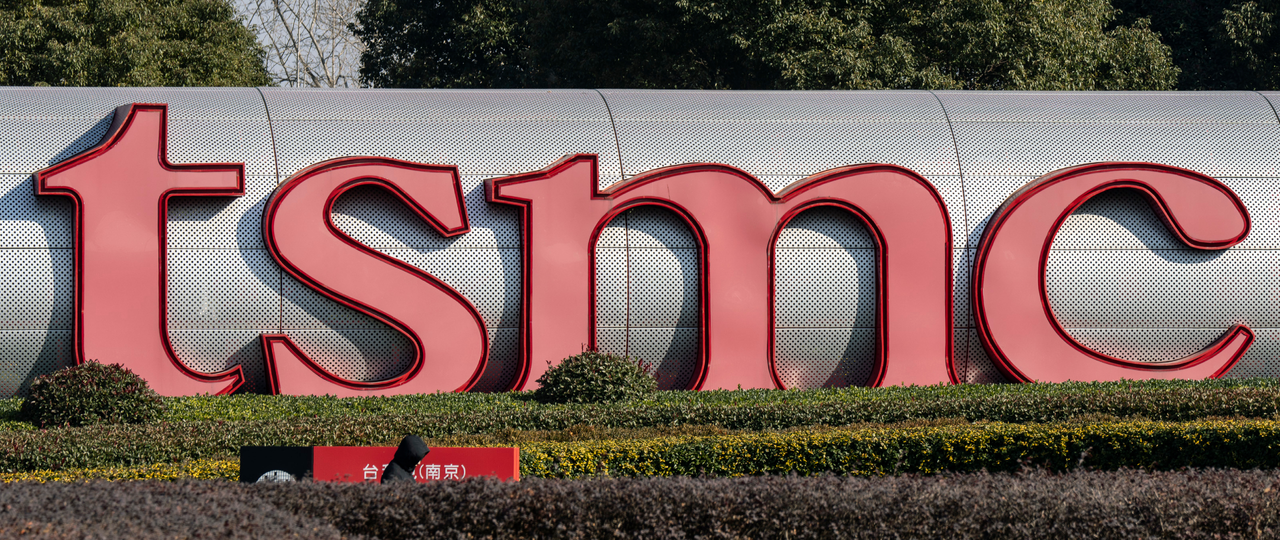
The CEO of the world’s leading semiconductor foundry has conceded that supply shortages will continue to strain AI chip production pipelines for the foreseeable future. In a recent address to shareholders, C.C. Wei, TSMC’s top executive, emphasized that scaling capacity to match escalating demand will require significantly more time than anticipated.
Wei’s remarks underscore a widening gap between available fabrication resources and the insatiable appetite of hyperscale AI providers. While TSMC has committed to a $100 billion investment over three years to expand output, the executive cautioned that relief will not arrive swiftly. "We are still years away from closing this demand-supply imbalance," he stated, adding that customers should prepare for prolonged allocation challenges.
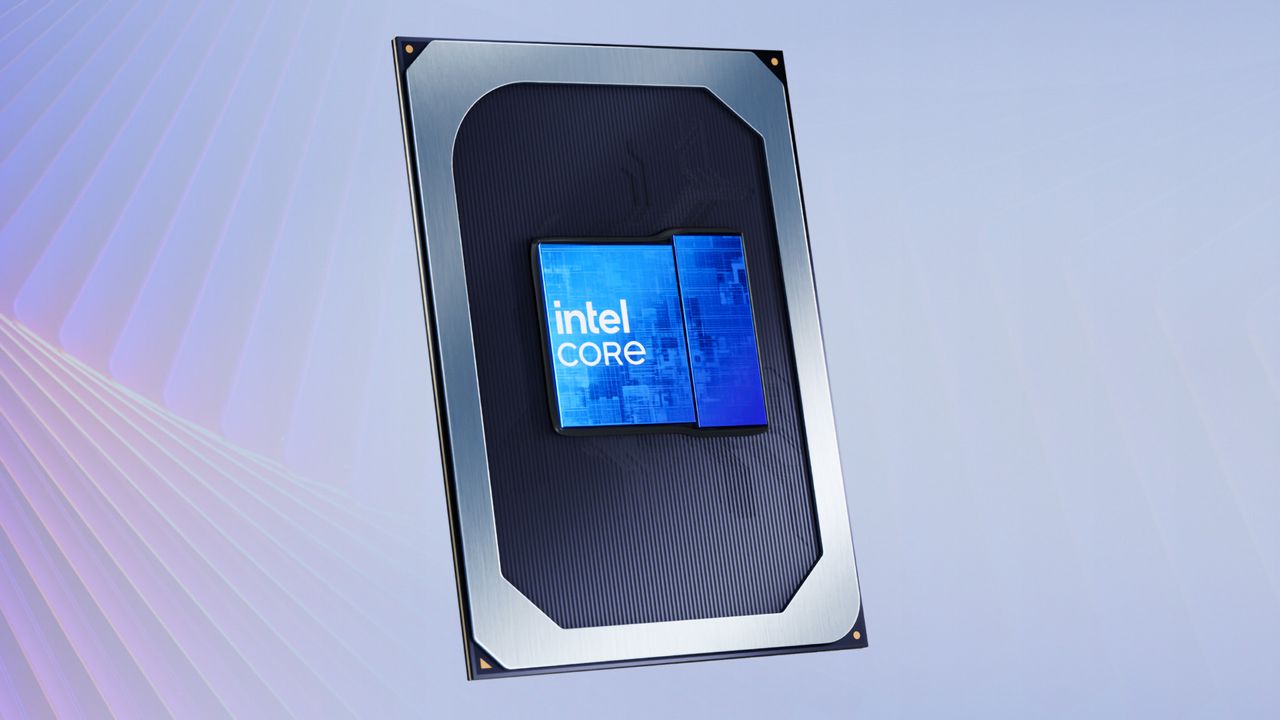
The semiconductor giant’s predicament creates a strategic opening for rival foundries, particularly Intel Foundry. With its cutting-edge 18A and 14A process nodes nearing commercial readiness, Intel is positioning itself as a viable alternative for companies struggling to secure advanced chips. Industry analysts suggest that some hyperscalers may reconsider their sourcing strategies if TSMC’s backlog remains unaddressed.
Industry experts highlight several factors exacerbating the supply crunch. Geopolitical tensions and export controls have disrupted traditional supply chains, while the capital-intensive nature of leading-edge fab construction limits rapid expansion. TSMC’s existing facilities in Taiwan and new sites in Arizona and Japan are operating at near-full capacity, leaving little room for immediate relief.
Wei also addressed concerns about potential price increases, assuring investors that TSMC will maintain stable pricing despite operational pressures. "Our goal is to balance affordability with sustainability," he noted. "Inflationary cost pressures are real, but we will not pass these burdens directly to customers."
The semiconductor ecosystem now faces a critical inflection point. While TSMC accelerates its capacity buildout, hyperscalers and AI startups must navigate a fragmented supply landscape where alternatives like Intel’s nodes could become increasingly attractive. The coming quarters will reveal whether these measures can bridge the widening demand gap—or if the industry must brace for prolonged disruptions.
Regardless of the timeline, one certainty remains: the AI revolution’s most transformative phase will be constrained by the physical limits of chip manufacturing for years to come.
AI summary
TSMC, AI pazarındaki talebi karşılayamıyor. CEO C.C. Wei’nin açıklamalarıyla ortaya çıkan kapasite sıkıntısı, Intel ve diğer üreticiler için yeni fırsatlar doğuruyor.