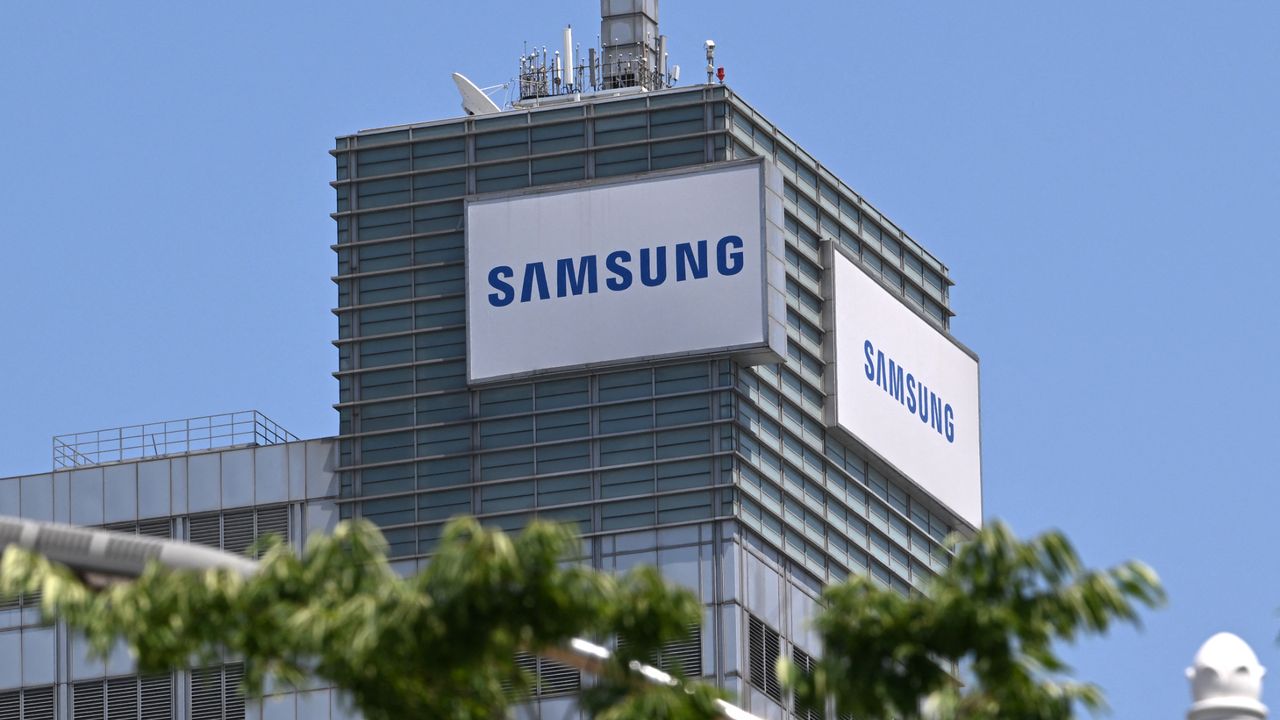
South Korean President Lee Jae-myung unveiled a historic $520 billion public-private investment plan on June 29, 2025, to expand the country’s semiconductor manufacturing capacity. The initiative, announced during a national address from Seoul, positions South Korea’s two largest memory chipmakers—Samsung Electronics and SK Hynix—as central pillars in the global race for AI supremacy.
"This is a pivotal moment as the global economy undergoes rapid transformation," Lee stated, emphasizing the need for collaboration between government and industry. "Major economies like the U.S. and China are engaged in fierce competition with high stakes. Only through joint efforts can we ensure South Korea’s leadership."
A strategic expansion of AI-ready infrastructure
The cornerstone of the plan involves constructing four new semiconductor fabrication plants, with both Samsung and SK Hynix committing to build two facilities each. The sites will be located in the southwestern region near Gwangju, a departure from the traditional semiconductor hubs south of Seoul. This geographic shift aims to decentralize production and reduce regional imbalances.
Samsung will also establish high-bandwidth memory (HBM) packaging facilities in Chungcheong, addressing soaring demand for AI accelerators. "HBM is critical for AI model training and inference, requiring advanced chip-stacking technologies," said Samsung Chairman Lee Jae-yong. "We will prioritize investments in HBM fabs, aligning with our existing back-end facilities in the Chungcheong region, including Cheonan and Onyang."
Public funding plays a supporting role
While the $520 billion figure dominates headlines, the breakdown reveals a collaborative funding model. The government and industry will jointly invest over 30 trillion won ($19.5 billion) over 15 years across the semiconductor value chain. Additional contributions include:
- 5 to 20 trillion won ($3.25 to $13 billion) from Gwangju and South Jeolla province
- 81 trillion won ($52.7 billion) allocated to the Chungcheong packaging hub
The remaining funding is expected to come from Samsung and SK Hynix’s capital expenditures. The state’s role will focus on subsidies, streamlined permitting, and infrastructure support. Industry Minister Kim Jung-kwan highlighted a key advantage: the government will accelerate fab construction timelines by up to 12 years, moving completion dates from the mid-2040s to the mid-2030s.
Accelerating existing projects to meet AI demand
The investment plan builds on existing initiatives, including SK Hynix’s $15 billion commitment from February 2025 to expand facilities. The company’s Yongin memory site, originally slated for 2045, will now ramp up by 2033 as part of a broader goal to double South Korea’s memory output within five years.
SK Hynix currently supplies the majority of HBM chips used in Nvidia’s AI accelerators, a critical dependency the expansion seeks to alleviate. Beyond memory, the partnership will also target AI robotics, physical AI systems, and data center infrastructure.
A bold move to outpace global rivals
The scale of South Korea’s plan is staggering when compared to international efforts. The $520 billion investment dwarfs the U.S. CHIPS Act, which allocated approximately $52 billion in direct subsidies—roughly one-tenth the size of Korea’s initiative. While direct comparisons are imperfect due to differing funding structures, the disparity underscores the urgency driving Korea’s semiconductor push.
The announcement arrives at a pivotal time for both Samsung and SK Hynix. In June 2025, SK Hynix surpassed Samsung to become South Korea’s most valuable listed company for the first time in over 25 years, fueled by its dominance in HBM. Meanwhile, Samsung’s chip division reported a record 53.7 trillion won ($35 billion) in first-quarter operating profit, as AI-driven memory shortages threaten to strain capacity beyond 2027.
With global AI demand accelerating, South Korea’s investment signals a decisive effort to solidify its position as the world’s memory chip leader. The plan’s success will hinge on execution, coordination, and the ability to meet the relentless pace of technological advancement.
AI summary
Samsung ve SK Hynix’in de dahil olduğu 520 milyar dolarlık planla Güney Kore, HBM üretimini artırarak küresel AI yarışında öne çıkmayı hedefliyor. Kamu-özel ortaklığının detayları ve küresel karşılaştırmalar.