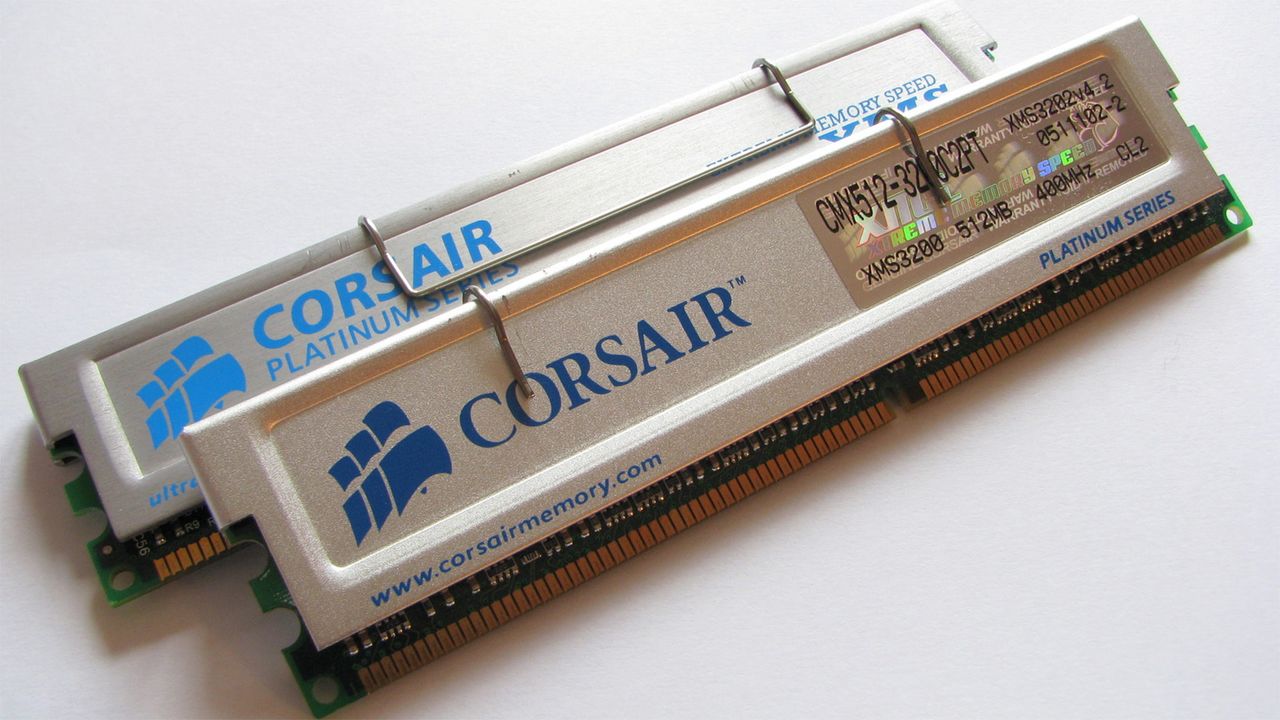
In an era where modern computing demands ever-increasing hardware specifications, one tech tinkerer has defied expectations by running Windows 11 on a platform that predates the dual-core CPU era. Omores, a well-known DIY PC builder, demonstrated that Microsoft’s newest operating system can function on a system built around the 2004-era DDR1 memory standard, featuring a Core 2 Quad Q6600 processor and an ATI Radeon HD 4650 AGP graphics card. Despite the hardware’s antiquity, the setup reportedly remains "completely stable," proving that creativity can bridge generational gaps in computing.
The Challenge of DDR1 Memory and Legacy Components
DDR1 memory first entered the consumer market in the early 2000s, replacing older SDR SDRAM technology. The standard initially launched with data rates of DDR-200 and DDR-266, offering significant performance improvements over its predecessors. By the mid-2000s, DDR-400 became the de facto standard for non-overclocked systems, though the exact memory speed used in Omores’ build remains unspecified.
The core of this experiment relied on an ASRock ConRoe 865PE motherboard, a standout component that allowed users to pair cutting-edge Intel Core 2 Duo and Core 2 Quad processors with legacy DDR1 memory and AGP graphics. This board effectively served as a bridge between eras, enabling enthusiasts to extend the lifespan of older hardware. The motherboard’s flexibility is a testament to the longevity-focused mindset of the DIY community, which has long prioritized repurposing rather than replacing components.
Overcoming Graphics and Driver Hurdles
The most significant obstacle in this project was integrating the ATI Radeon HD 4650 AGP graphics card with Windows 11. Modern operating systems typically lack native support for AGP hardware, which was phased out over a decade ago. Omores tackled this challenge by manually forcing Windows 7 64-bit drivers from 2012 onto the system, a process he described as requiring "some hacking."
Despite the unconventional approach, the results were impressive. Omores confirmed that AGP 8X functionality was fully operational, and H.264 hardware decoding worked seamlessly. This allowed the system to handle modern tasks such as streaming video, running contemporary web browsers, and even executing 3D benchmarks without visible glitches. Notably, the system also successfully played Crysis, a game renowned for its demanding hardware requirements, further validating the build’s capabilities.
Stability Without Modern Firmware Dependencies
One of the most surprising aspects of Omores’ experiment was the system’s stability, particularly in an environment where UEFI firmware is now the norm. The build relied solely on ACPI 1.1, a specification introduced in the late 1990s. This raised questions about Windows 11’s compatibility with truly legacy hardware.
Omores clarified that Microsoft’s Windows 11 IoT Enterprise officially supports BIOS-based systems, which likely contributed to the smooth operation. In a follow-up comment on the Reddit thread, he emphasized that the system’s stability was a direct result of this support. He also shared additional details on driver installation in a subsequent video, providing a step-by-step guide for others looking to replicate the setup.
What This Means for Vintage Computing
Omores’ experiment is more than just a technical curiosity—it highlights the resilience of older hardware when paired with innovative software solutions. While Windows 11 may not deliver cutting-edge performance on a DDR1 system, its ability to run at all underscores the adaptability of both the operating system and the DIY community.
For enthusiasts and collectors, this project serves as a reminder that vintage PCs aren’t entirely obsolete. With the right tweaks, even a two-decade-old system can find new life, whether for retro gaming, educational purposes, or simply proving that technology doesn’t always need to be replaced to stay useful. As component shortages and sustainability concerns drive renewed interest in repurposing older hardware, experiments like this one may become increasingly relevant.
AI summary
DDR1 bellek ve AGP grafik kartlarıyla Windows 11 çalıştıran bir kullanıcının deneyimi. Donanım uyumu, performans testleri ve kurulum ipuçları hakkında detaylar.