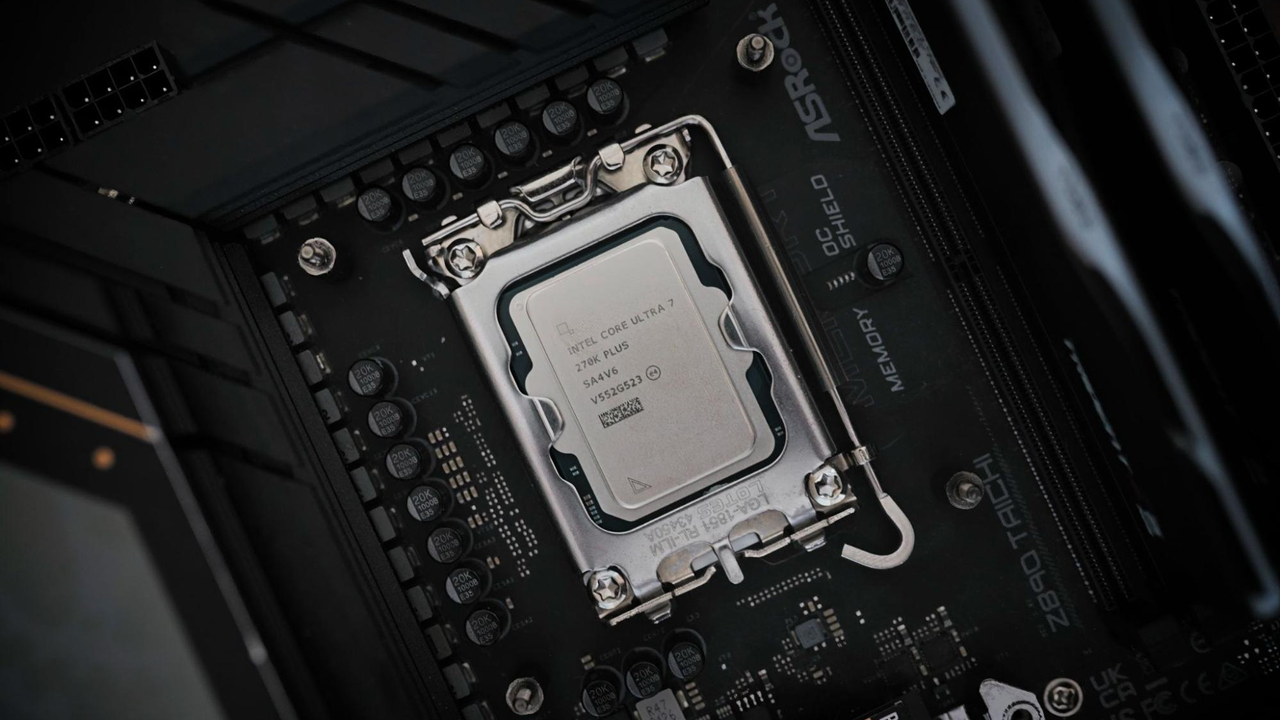
Hybrid CPU architectures are reshaping the computing landscape, yet most games fail to leverage their full potential. According to an Intel executive, better software optimization could unlock an additional 30% of CPU performance—without any hardware upgrades. The issue? Many game engines and applications are still optimized for older, more traditional CPU designs, relying instead on brute-force solutions like extra L3 cache to compensate for inefficiencies.
The gap between hardware potential and current performance
Intel’s latest hybrid CPUs, such as those in the 12th, 13th, and 14th Gen Core series, feature a combination of Performance (P) and Efficiency (E) cores. These chips are designed to handle demanding workloads more efficiently than ever, but the software ecosystem hasn’t kept pace. Games and applications often prioritize workloads in ways that underutilize the P-cores, leading to suboptimal performance. The result? A significant portion of the CPU’s capabilities remains untapped, limiting frame rates, responsiveness, and overall gaming experiences.
Why brute-force upgrades aren’t the solution
For years, game developers and hardware enthusiasts have relied on hardware-based improvements to boost performance. Adding more L3 cache, increasing clock speeds, or upgrading to higher-end GPUs are common strategies. However, these approaches often mask underlying inefficiencies in software optimization. Intel’s claim suggests that addressing these inefficiencies directly could yield far greater benefits than incremental hardware upgrades. By rethinking how games and applications distribute workloads across P-cores and E-cores, developers could achieve substantial performance gains without additional costs.
The role of software optimization in hybrid CPU performance
The key to unlocking this untapped potential lies in how software manages CPU resources. Modern hybrid CPUs excel at dynamically allocating tasks based on workload demands, but many games and applications aren’t optimized to take advantage of this flexibility. For example:
- - Thread scheduling: Many games still use thread scheduling strategies designed for older, homogeneous CPUs. Optimizing these strategies to better utilize P-cores for critical tasks and E-cores for background processes could significantly improve performance.
- - Cache utilization: Efficient use of L2 and L3 cache can reduce bottlenecks, but many game engines don’t prioritize cache-aware optimizations.
- - Power management: Hybrid CPUs dynamically adjust power consumption based on workload. Software that aligns with these adjustments can prevent thermal throttling and maintain peak performance.
Developers who prioritize these optimizations stand to gain a competitive edge, especially as hybrid architectures become more prevalent in gaming PCs and consoles.
What’s next for hybrid CPU performance in gaming?
Intel’s statement underscores a broader trend in the tech industry: the future of performance isn’t just about faster hardware—it’s about smarter software. As hybrid CPUs continue to evolve, game developers and software engineers will need to adapt their approaches to fully realize the potential of these architectures. Tools like Intel’s Thread Director, which dynamically assigns workloads to the most appropriate cores, are a step in the right direction. However, widespread adoption of these optimizations will require collaboration across the industry, from engine developers to middleware providers.
For gamers, this means the next generation of titles could deliver smoother, more responsive experiences without the need for expensive hardware upgrades. The message is clear: the performance ceiling isn’t set by silicon alone—it’s defined by the software that runs on it.
AI summary
Intel’e göre modern oyunlar CPU performansının yalnızca %70’ini kullanıyor. Hibrit mimari CPU’ların tam potansiyelini ortaya çıkarmak için yazılım optimizasyonuna ihtiyaç var. Detaylar için tıklayın.