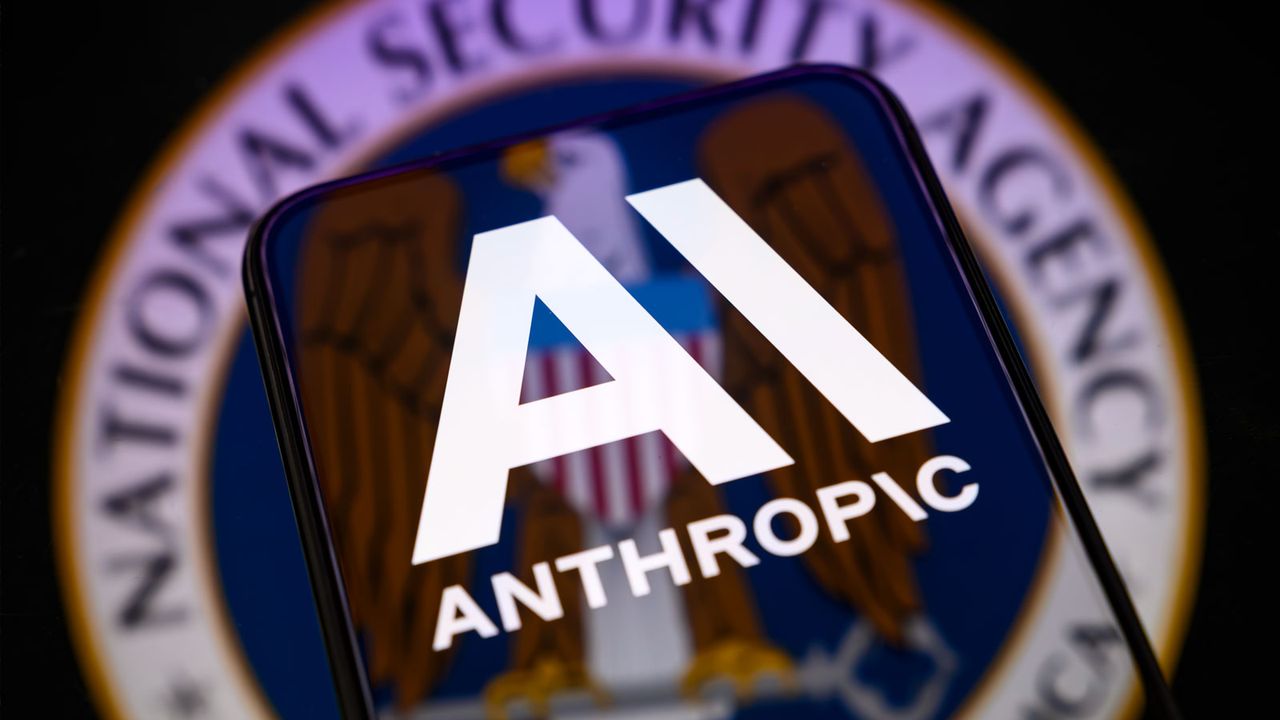
Anthropic’s latest AI initiative, the Mythos cybersecurity model, has been compromised by unauthorized parties despite being restricted to a select group of organizations. Designed to uncover and address zero-day vulnerabilities, Mythos was intended as a safeguard against emerging cyber threats. However, the breach suggests that even highly controlled AI systems may not be immune to security oversights.
A model built for security—now exposed by security flaws
Mythos was developed by Anthropic with a singular purpose: to scan systems for undiscovered vulnerabilities and provide actionable fixes before threat actors could exploit them. The model was deployed under strict access protocols, limiting its use to a handful of trusted enterprises. Yet, the unauthorized access raises concerns about the robustness of Anthropic’s own security measures.
According to reports, the breach stemmed from a combination of factors, including an earlier data incident that may have exposed credentials or internal communications. While the exact mechanism remains under investigation, the incident reveals a critical gap in the protection of AI-driven tools that are meant to enhance cybersecurity.
Why restricted access isn’t always enough
Restricted access models are not a new concept in enterprise technology, but their effectiveness depends heavily on the strength of the underlying security infrastructure. In Mythos’s case, the breach suggests that Anthropic’s safeguards—whether through credential management, network segmentation, or monitoring—failed to prevent unauthorized entry.
Experts point out that AI models, particularly those handling sensitive data, require layered security approaches. Simple access controls alone may not suffice if other vulnerabilities exist within the system’s architecture. The incident serves as a reminder that even purpose-built security tools can become liabilities if not properly secured.
Anthropic’s response and long-term implications
Anthropic has acknowledged the breach and is conducting a thorough review of its security protocols. A company spokesperson stated that the unauthorized access was isolated and did not compromise the core functionality of Mythos. However, the incident has sparked discussions about the broader risks of AI model breaches, especially as organizations increasingly rely on such tools for critical operations.
The breach also raises questions about accountability in AI development. If a model designed to enhance cybersecurity can be compromised, what does that mean for other AI systems with less stringent access controls? As AI adoption accelerates, ensuring the integrity of these models will be paramount.
The future of AI-driven security tools like Mythos hinges on stronger safeguards, transparent auditing, and proactive threat detection. While Anthropic works to address the breach, the incident underscores the need for continuous vigilance in an era where AI is both a shield and a potential target.
AI summary
Anthropic’in Mythos siber güvenlik modeline yetkisiz erişim yaşandı. Sıfır gün açıklarını otomatik tespit eden yapay zeka modelinin kendisinin nasıl korumasız kaldığını öğrenin.