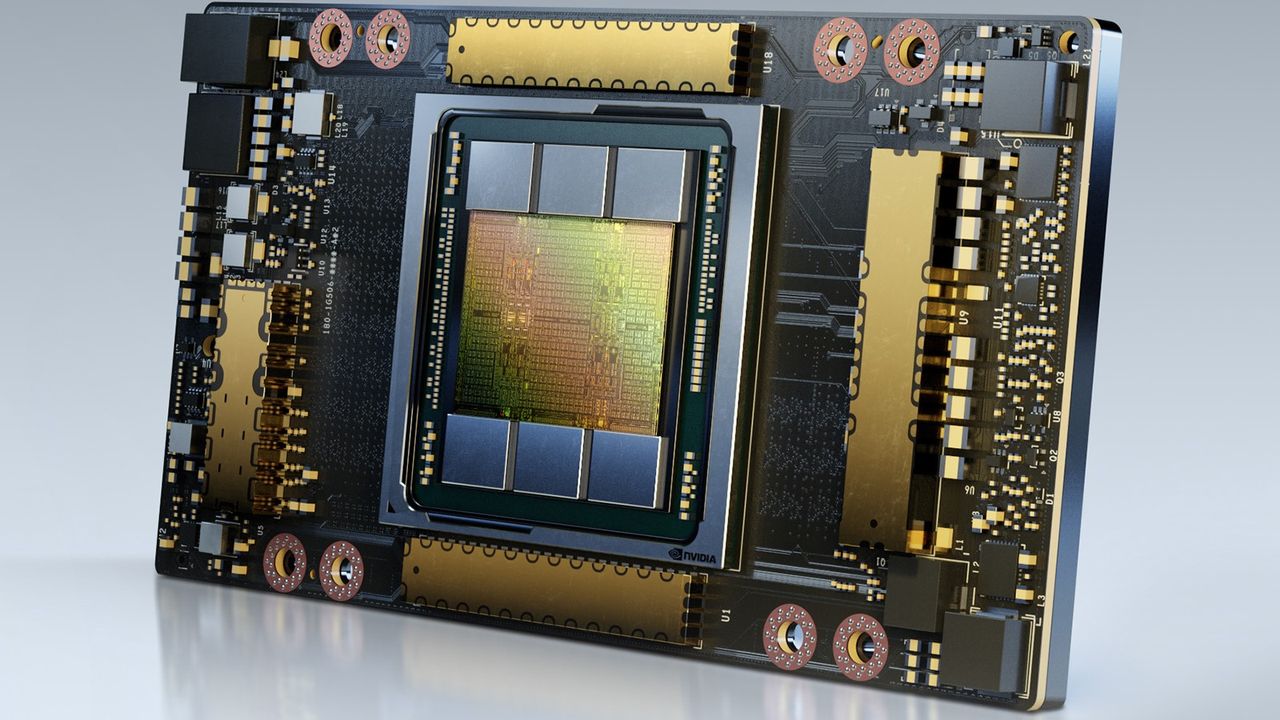
China’s AI infrastructure sector is facing an unprecedented supply crunch, with black-market prices for Nvidia’s five-year-old A100 data-center GPUs and their servers skyrocketing to nearly $82,000—more than triple their value just six months ago. The surge follows a coordinated crackdown on chip smuggling, compounded by Beijing’s refusal to allow imports of the latest restricted AI accelerators, leaving domestic buyers with few alternatives.
Smuggled chips and gaming GPUs fill the void
According to reports from the Financial Times, A100-based servers have surged in price from around 200,000 Chinese Yuan ($22,300) to as high as 600,000 Yuan ($67,000) since late 2023. Even older gaming GPUs originally designed for graphics workloads are now being repurposed for AI inference, further distorting the market. Nvidia’s high-end restricted hardware, such as the RTX 6000 Pro workstation card, has also seen dramatic price increases—rising from approximately 50,000 Yuan ($5,580) at the start of the year to as much as 130,000 Yuan ($14,500).
The most striking example is Nvidia’s DGX B300 system, which retails for roughly $400,000 in the U.S. but now trades on the black market for over $1.1 million—a more than twofold increase. Even rental prices within China have caught up to or surpassed U.S. levels, reversing the historical discount that smuggled chips once provided.
Legal routes collapse under regulatory pressure
Washington’s intensified enforcement at the end of 2023 targeted illegal chip shipments to China, culminating in the March indictment of a Supermicro co-founder on charges related to a $2.5 billion scheme to route Nvidia AI servers to Chinese buyers. Subsequent investigations in Taiwan and Malaysia have further disrupted the secondary supply chains that traders had previously relied on, effectively cutting off one of the last remaining sources of AI hardware for Chinese firms.
On China’s side, customs authorities have systematically blocked legally approved shipments, including Nvidia’s H200 accelerators, despite U.S. export licenses being granted. Commerce Secretary Howard Lutnick confirmed publicly that Nvidia had not sold a single H200 unit to any Chinese company, attributing the blockage to Beijing’s refusal to grant import approvals. The move appears designed to accelerate China’s push for domestic semiconductor self-sufficiency.
Huawei’s Ascend 950PR struggles to meet demand
With both U.S. and Chinese regulatory actions squeezing supply, Huawei’s Ascend 950PR has emerged as the primary domestic alternative. Launched in March, the chip is currently undergoing limited testing in large-scale data centers across China. However, its adoption remains constrained by two critical limitations: production output is still ramping up, and its native CANN software stack lags significantly behind Nvidia’s mature CUDA ecosystem.
Industry analysts note that memory price inflation—driven by shortages in DRAM and high-bandwidth memory (HBM)—has only intensified the crisis, making it even harder for Chinese buyers to pivot away from Nvidia hardware. One chip trader described the situation as a catch-22: component costs are rising, but alternatives are either unavailable or lack the performance required for production workloads.
The road ahead remains uncertain
Until Huawei scales production of the Ascend 950PR to meet domestic demand—which could take months or longer—or Beijing reverses its stance on H200 imports, the black market for Nvidia’s older A100 servers is likely to remain the only viable option for many Chinese AI developers. With no immediate relief in sight, prices for restricted AI hardware within China are expected to continue climbing, further straining budgets and delaying project timelines across the industry.
AI summary
ABD’nin ithalat kısıtlamaları ve Çin’in gümrük engelleri, yerli şirketleri kara borsaya yönlendirdi. Nvidia A100 ve RTX 6000 Pro fiyatları nasıl tavan yaptı? Yerli alternatifler ne zaman devreye girecek?