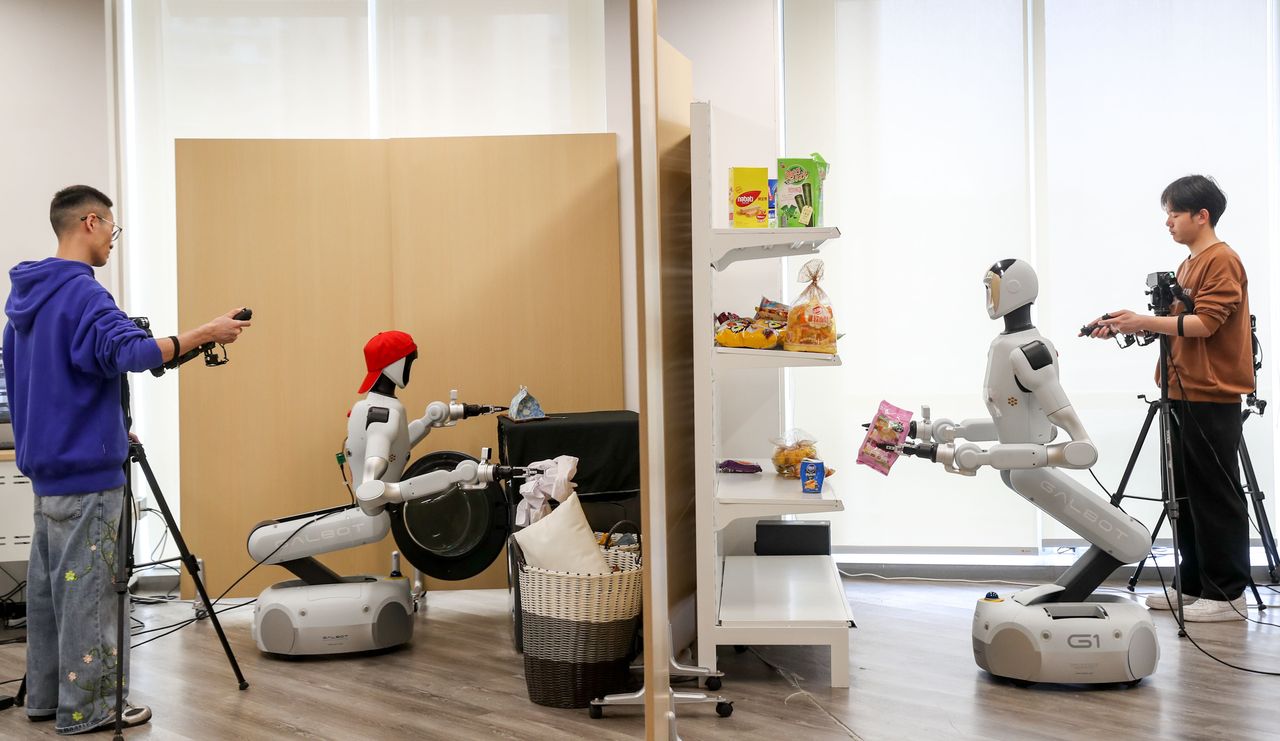
Short-term rental hosts in San Francisco are facing an unexpected challenge: their properties are being used as testing grounds for robotic devices, often without consent. Reports of damaged appliances, rearranged furniture, and missing items have surged in recent months, leaving property owners scrambling for solutions.
The Rise of Uninvited Robot Guests
Airbnb hosts in the city have observed a disturbing trend. Guests checking in as humans are actually robotic systems in disguise, arriving to test prototypes in residential settings. These "guests" operate under the guise of regular bookings but leave behind a trail of disarray. One host, who requested anonymity, described finding their kitchen counter rearranged, their smart appliances reset to factory settings, and a robot vacuum tangled in wiring.
The issue appears concentrated in neighborhoods popular with tech workers, where Airbnb listings are abundant and robotics startups thrive. Many hosts suspect the devices are being smuggled in via Airbnb’s automated check-in systems, which allow for keyless entry without direct host interaction. This convenience, meant to streamline operations, has inadvertently created a loophole for unauthorized testing.
The Aftermath: Damages and Frustration
The financial and emotional toll on hosts is significant. Some report thousands of dollars in repairs, including damaged floors from robotic limbs, missing smart home components, and even stolen pet supplies. One host recounted discovering a robot’s internal wiring strewn across the living room floor after what was supposed to be a routine booking.
Airbnb’s response has been cautious. A company spokesperson acknowledged reports of property damage but emphasized that hosts are responsible for verifying their guests’ identities. The platform encourages hosts to use its security features, such as requiring government IDs and enabling surveillance cameras, though these measures aren’t foolproof.
Legal and Ethical Gray Areas
The situation raises questions about liability and consent. Robotics startups argue that their devices are designed to improve everyday life, but their testing methods often bypass standard protocols. Some hosts have filed police reports, but enforcement remains difficult due to the lack of clear regulations governing robotic device testing in private residences.
Legal experts suggest that hosts may have grounds to sue under property damage claims, but proving intent or negligence by the startups could be challenging. Meanwhile, Airbnb has not issued a formal policy update regarding robotic testing, leaving hosts in a precarious position.
Protecting Your Rental in the Age of Automation
For hosts looking to safeguard their properties, experts recommend several steps:
- - Require guests to upload government-issued IDs and verify their identities before booking.
- - Install visible security cameras to deter unauthorized activity.
- - Use smart home devices to monitor unusual movements or tampering.
- - Add clauses to rental agreements explicitly prohibiting robotic testing or unauthorized modifications.
As robotics continues to advance, the collision between automation and hospitality will only grow more complex. Hosts must remain vigilant, while platforms like Airbnb may need to adapt their policies to address this emerging issue. Until then, the question lingers: Who is responsible when a robot breaks your Airbnb?
AI summary
San Francisco'daki Airbnb ev sahiplerinin robotik start-up'lar nedeniyle yaşadığı hasarlar ve bu durumun kısa süreli kiralama pazarına etkileri hakkında detaylı bilgiler.