In an unexpected twist of tech nostalgia, an HVAC technician recently unearthed a piece of AMD’s history tucked away in a customer’s basement. The computer, originally belonging to former AMD CEO Rory Read, was discovered still in its original packaging—complete with a sealed Windows 8.1 installation disc and a signature from current AMD CEO Lisa Su. The system, built during the Bulldozer era, had never been powered on, preserving a snapshot of AMD’s challenges and triumphs from over a decade ago.
The Discovery of a Decade-Old PC
The find was made by an HVAC technician during a routine service call. The customer, unaware of the machine’s provenance, had stored it in the basement for years. Upon examining the hardware, the technician recognized the significance: the desktop was a 2014 model, featuring components from AMD’s Bulldozer architecture—a lineup that struggled in competitive benchmarks but laid the groundwork for future innovations. The PC was marked with a sticker bearing Lisa Su’s signature, a detail that later confirmed its origin as a farewell gift to Rory Read when he stepped down as CEO in 2014.
Rory Read’s Tenure and AMD’s Bulldozer Era
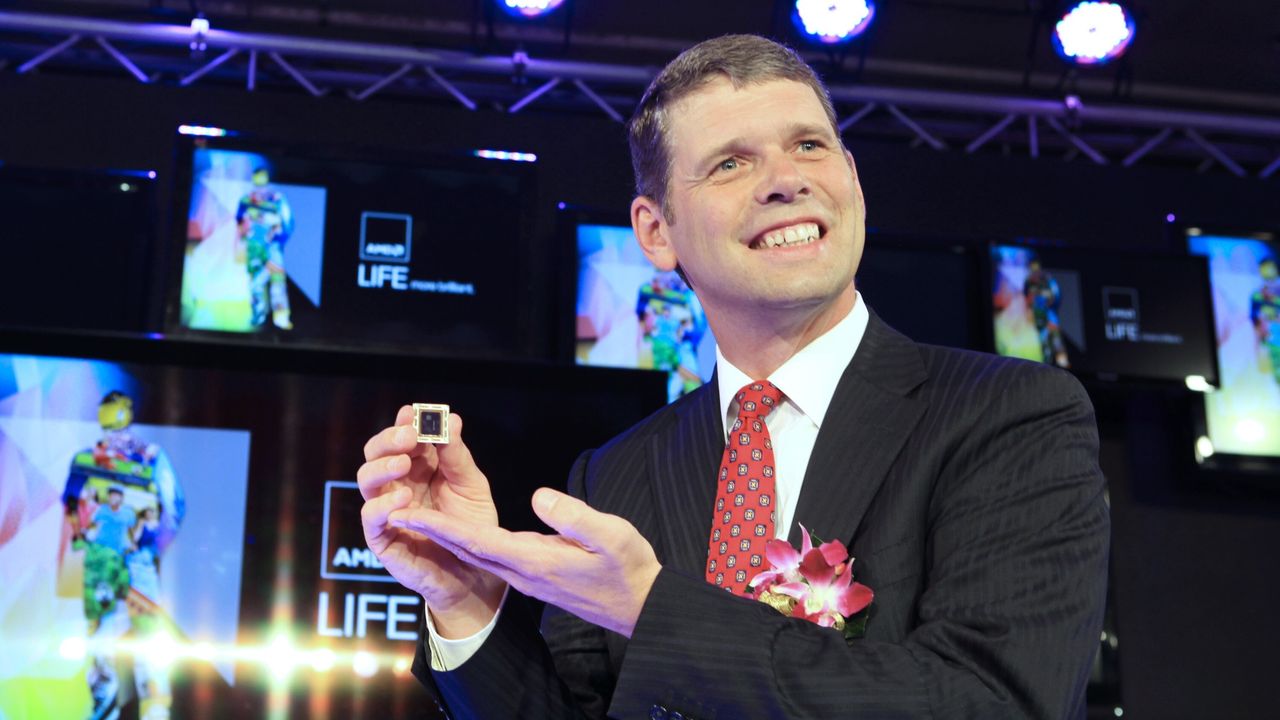
Rory Read served as AMD’s CEO from 2011 to 2014, a period marked by both setbacks and strategic pivots. Under his leadership, AMD secured critical console contracts with Sony and Microsoft, ensuring the company’s presence in gaming consoles for over a decade. However, the Bulldozer architecture—launched in 2011—failed to deliver the performance gains expected by enthusiasts and enterprise users alike. Despite its shortcomings, Bulldozer’s development paved the way for AMD’s subsequent breakthrough with the Zen architecture, which revitalized the company’s CPU portfolio.
The Bulldozer chips were notorious for their low performance-per-watt ratios and high power consumption, earning criticism from reviewers and users. Yet, they played a pivotal role in AMD’s survival during a financially turbulent period. Read’s tenure also saw AMD divesting non-core assets, such as the sale of its manufacturing division, to focus on design and intellectual property.
The Unopened Windows 8.1 Disc and Its Significance
What makes this discovery particularly intriguing is the PC’s pristine condition. The Windows 8.1 installation disc included with the system was still sealed in its original packaging, untouched and unopened. This suggests that the desktop was likely a ceremonial gift rather than a functional workstation, intended to commemorate Read’s contributions to AMD rather than serve as a primary computing device.
The presence of Lisa Su’s signature on the machine adds another layer of historical context. Su, who succeeded Read as AMD’s CEO in 2014, would later steer the company toward its resurgence with the Zen architecture, which debuted in 2017. The Bulldozer-era hardware, now a relic of AMD’s past, serves as a reminder of the company’s resilience and its ability to evolve from adversity.
Why This Discovery Matters for Tech History
This unassuming PC is more than just a curiosity—it’s a tangible artifact of AMD’s journey through one of its most challenging eras. The Bulldozer architecture, often maligned in hindsight, was a critical experiment that ultimately led to the company’s revival. The fact that the system remained unused highlights how quickly technology and corporate strategies evolve, leaving behind forgotten relics that now hold historical value.
For tech enthusiasts and historians alike, the discovery underscores the fleeting nature of technological relevance. What was once cutting-edge hardware is now a museum piece, a testament to the relentless pace of innovation in the industry. As AMD continues to push boundaries with its latest processors, this forgotten desktop serves as a humble reminder of how far the company has come.
AI summary
2014 yılında AMD CEO’su Rory Read’e verilen masaüstü PC, bodrumda neredeyse yeni halde bulundu. Bulldozer işlemci, Windows 8.1 CD’si ve Lisa Su’nun imzasıyla dikkat çeken sistemin hikayesi.